Grandma's Kitchen Was the Lab All Along: The Science Finally Catching Up With South Asian Spice Wisdom
Grandma's Kitchen Was the Lab All Along: The Science Finally Catching Up With South Asian Spice Wisdom
In a terraced house in Bradford, a grandmother is making chai. She's not following a recipe — she never has. A thumbnail of fresh ginger here, a bruised cardamom pod there, a pinch of something dark and pungent that she calls kalonji. Her granddaughter, who is studying pharmacy at the University of Leeds, watches with a mix of affection and growing professional fascination. Because some of what her grandmother is casually tossing into that pot is now the subject of serious clinical research.
 Photo: University of Leeds, via www.archaeology.wiki
Britain's South Asian community — some 4.2 million people, predominantly of Indian, Pakistani, and Bangladeshi heritage — has been sitting on a wellness goldmine for generations. The spices that have flavoured their food, soothed their ailments, and anchored their cultural identity are now attracting the kind of rigorous scientific scrutiny that could reshape how mainstream medicine thinks about everyday health.
The Golden Standard: Turmeric's Moment in the Spotlight
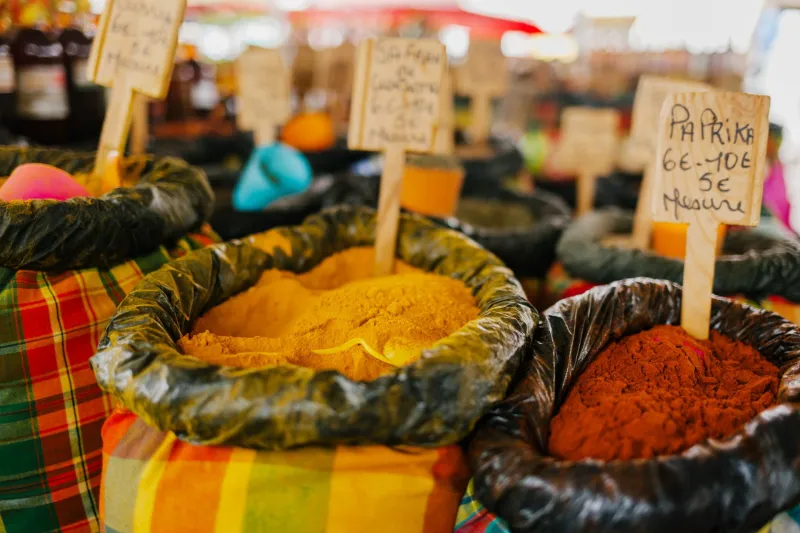
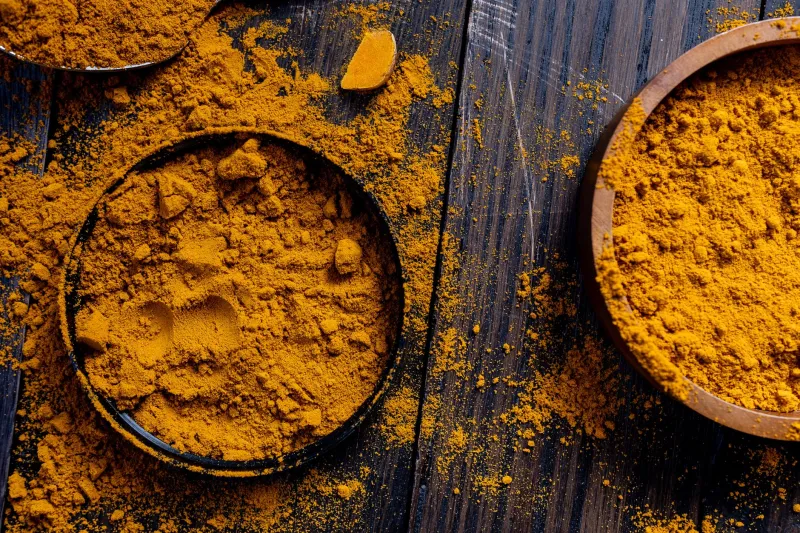
If there's one spice that has broken through into mainstream British consciousness, it's turmeric. The golden-yellow powder responsible for that distinctive hue in dal and curry has been the subject of over 3,000 peer-reviewed studies in the past two decades. And the headline finding — that its active compound, curcumin, possesses potent anti-inflammatory and antioxidant properties — is no longer fringe science.
Researchers at University College London are currently investigating curcumin's potential role in slowing cognitive decline, building on earlier studies suggesting it may inhibit the accumulation of amyloid plaques associated with Alzheimer's disease. Meanwhile, a 2023 trial at King's College London explored curcumin supplementation in patients with inflammatory bowel conditions, with promising early results.
 Photo: King's College London, via c8.alamy.com
 Photo: University College London, via linkedu.hk
For Priya Sharma, a registered nutritionist based in Leicester, the research is validating rather than revelatory. "My mum put turmeric in warm milk when any of us had a cold, an injury, or couldn't sleep," she says. "She called it haldi doodh. Wellness influencers are now charging £6 a cup for it and calling it a golden latte. The knowledge was always there — it just wasn't in a language Western science was ready to hear."
The bioavailability question — turmeric is poorly absorbed on its own — is one South Asian culinary tradition solved centuries ago. Black pepper, a near-universal companion spice in the subcontinent's cooking, contains piperine, a compound that increases curcumin absorption by up to 2,000%. Your grandmother didn't need a nutrition journal to work that out.
Fenugreek: The Humble Seed With Heavyweight Credentials
Fenugreek — methi in Hindi and Urdu — is the kind of ingredient that tends to be overlooked by anyone who didn't grow up with it. Slightly bitter, deeply aromatic, and about as glamorous as a bus shelter, it's been a staple of South Asian cooking and traditional medicine for millennia.
The science is now thoroughly impressed by it. Multiple clinical studies have demonstrated fenugreek's capacity to lower fasting blood glucose levels and improve insulin sensitivity — findings of enormous relevance in the UK, where type 2 diabetes disproportionately affects South Asian communities at rates two to four times higher than the white British population.
A landmark study published in the Journal of Diabetes & Metabolic Disorders found that participants taking fenugreek seed extract showed meaningful reductions in HbA1c levels over a 12-week period. NHS diabetes prevention programmes in areas with high South Asian populations are beginning to incorporate culturally specific dietary guidance that acknowledges the potential role of traditional ingredients — a long-overdue shift.
"The irony is profound," says Dr Amara Patel, a GP in Birmingham with a special interest in South Asian health. "We have a community that has been using fenugreek as a blood sugar management tool for generations, and we're only now designing the trials to confirm what they already knew. Meanwhile, we've spent decades handing out generic dietary advice that completely ignored their food culture."
Black Seed: The Ancient Remedy Science Can't Stop Studying
If turmeric is the celebrity of the spice world, kalonji — black seed, or Nigella sativa — is the quietly brilliant character actor that keeps stealing every scene.
Revered in Islamic prophetic medicine as a cure for "everything except death," black seed has been used across South Asian, Middle Eastern, and North African communities for over 2,000 years. British researchers are now publishing findings that suggest its active compound, thymoquinone, has demonstrable antimicrobial, anti-inflammatory, and immunomodulatory effects.
A systematic review published in 2022 in Phytotherapy Research analysed 67 randomised controlled trials involving black seed and found consistent evidence of benefit in managing blood pressure, blood lipid profiles, and markers of systemic inflammation. The NHS hasn't formally incorporated it into clinical guidelines yet — that process moves slowly and rightly demands robust evidence — but the academic interest is accelerating rapidly.
For many South Asian families in Britain, this all lands somewhere between vindication and mild exasperation. "My aunties have been recommending black seed oil for everything from asthma to joint pain for as long as I can remember," says Zainab Hussain, a 34-year-old community pharmacist in Manchester. "Now it's appearing in health food shops at £15 a bottle. I'm glad people are discovering it. I just wish the discovery had included a bit more credit to the communities who preserved that knowledge."
The Mainstream Scramble — and Why Cultural Credit Matters
Here's where the story gets complicated. As Western wellness culture enthusiastically adopts turmeric lattes, fenugreek capsules, and black seed oil drops, there's a legitimate conversation to be had about who gets the credit — and who gets the commercial benefit.
The phenomenon of 'wellness appropriation' — where traditional remedies are extracted from their cultural context, repackaged, and sold at premium prices to consumers who have no connection to the communities that developed them — is real and worth naming. The South Asian families who have used these spices for generations rarely had the platform or the academic infrastructure to monetise that knowledge. The wellness industry, largely white and middle-class in its target demographic, often does.
Nutritionist Priya Sharma is clear-eyed about this. "Celebrate the science, absolutely. But when you're stirring turmeric into your smoothie, know where that knowledge came from. It came from South Asian kitchens. It came from generations of women who were dismissed as superstitious when they talked about food as medicine."
What You Can Actually Do With This Information
The good news — and there's plenty of it — is that these spices are cheap, widely available, and genuinely easy to incorporate into everyday cooking. You don't need a supplement. You need a decent spice rack and a willingness to experiment.
Add turmeric and black pepper to scrambled eggs, soups, or roasted vegetables. Steep fenugreek seeds overnight and drink the water in the morning. Sprinkle black seed over yoghurt, bread, or salads. Buy from South Asian grocery shops — where these spices are fresher, less processed, and significantly cheaper than their wellness-industry counterparts.
And if you really want to learn, find a South Asian cookbook written by someone who grew up cooking this way. The knowledge was never locked away. It was in the kitchen all along.