Your Weekly Shop Is a Pharmacy: The Everyday British Foods Fighting Inflammation From the Inside Out
Chronic inflammation is having a bit of a PR moment. Once the preserve of medical journals and rheumatology clinics, it's now being discussed in the context of everything from persistent fatigue and low mood to joint pain, brain fog, and long-term disease risk. Researchers increasingly describe it as a kind of slow-burning fire in the body — one that, when left unchecked, quietly damages tissues and disrupts the systems that keep us feeling well.
The good news? You don't need a nutritionist's consultation and a basket full of spirulina to start tackling it. Britain's most effective dietary anti-inflammatories are thoroughly unglamorous, widely available, and — crucially given the current cost of living — remarkably cheap.
Here's your guide to the everyday staples that UK scientists are genuinely excited about.
First, a Quick Word on What Inflammation Actually Is
Not all inflammation is bad. Acute inflammation — the swelling and redness around a cut, the soreness after a hard workout — is the immune system doing its job brilliantly. The problem is chronic, low-grade inflammation: a persistent background hum of immune activity that the body struggles to switch off.
This kind of inflammation has been linked to fatigue (that bone-deep tiredness that sleep doesn't fix), joint stiffness, digestive issues, anxiety and low mood, and increased risk of conditions including type 2 diabetes, cardiovascular disease, and certain cancers. Diet is one of the most powerful levers we have for modulating it — and the research pointing to specific foods is becoming increasingly hard to ignore.
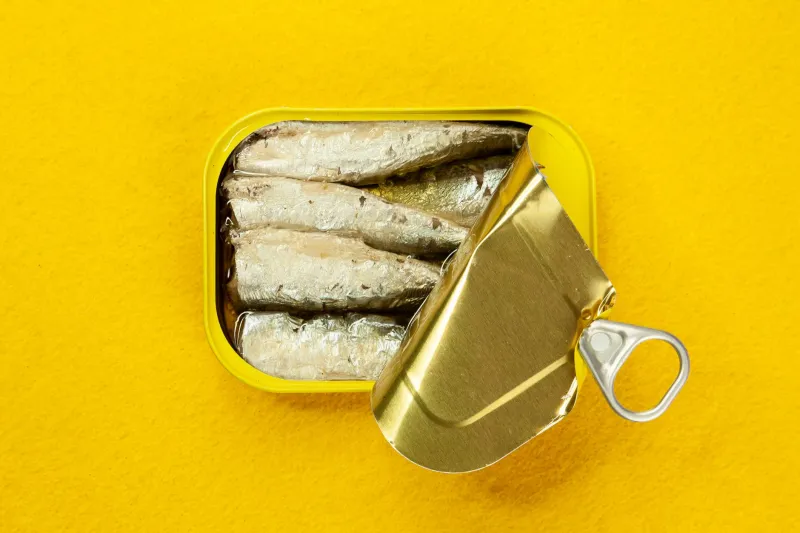
Tinned Sardines: The Unsung Hero of the Kitchen Cupboard
Let's start with the one that surprises people most. Tinned sardines — available in every supermarket, often for less than £1 — are one of the richest dietary sources of omega-3 fatty acids available in Britain. Omega-3s, specifically EPA and DHA, are among the most extensively studied anti-inflammatory compounds in nutritional science.
Unlike salmon (which tends to be significantly pricier), sardines are eaten whole with their small, soft bones intact, meaning you also get a substantial hit of calcium and vitamin D — both important for bone health and immune regulation. A 2023 review in the British Journal of Nutrition highlighted oily fish consumption as one of the most consistent dietary predictors of lower inflammatory markers in UK adults.
 Photo: British Journal of Nutrition, via cityhub.com.au
On toast with a squeeze of lemon. Stirred through pasta with capers and tomatoes. Mashed into a jacket potato. Sardines are one of the most nutritionally dense foods you can buy for the price of a chocolate bar.
Frozen Spinach: Fresh's Thriftier, Often Healthier Cousin
Fresh spinach is wonderful, but it wilts in the fridge within days and costs considerably more than its frozen counterpart. Here's the thing: frozen spinach is picked at peak ripeness and frozen almost immediately, which locks in its nutritional content with impressive efficiency. In many cases, it contains more active vitamins and minerals than fresh spinach that's been sitting in a distribution centre and then on a supermarket shelf for several days.
Spinach is rich in quercetin and kaempferol — plant flavonoids that have demonstrated anti-inflammatory effects in multiple studies — as well as magnesium, which plays a role in regulating the body's inflammatory response. A 400g bag costs around 80p. It goes into everything: smoothies, curries, pasta sauces, scrambled eggs, soups. There is almost no meal that isn't improved by a handful of frozen spinach.
Red Onions: The Purple Powerhouse You're Probably Already Buying
If you've been automatically reaching for white onions, it might be time to switch. Red onions contain significantly higher levels of quercetin — a flavonoid with well-documented anti-inflammatory and antioxidant properties — than their pale counterparts. They're also rich in anthocyanins, the pigments that give them their distinctive colour and which have been associated with reduced inflammation and improved cardiovascular health.
UK researchers at the University of Southampton have been investigating quercetin's role in reducing inflammatory markers, with encouraging results. The good news for your shopping basket: red onions are about the same price as white ones, they're available everywhere, and they taste better raw in salads and salsas. Raw preparation actually preserves more of the quercetin content than cooking, so the next time you're making a quick salad, throw in half a red onion and consider it medicinal.
 Photo: University of Southampton, via cdn.britannica.com
Oats: Britain's Most Overlooked Anti-Inflammatory Breakfast
Oats have been a British breakfast staple for centuries, and it turns out our ancestors were onto something rather good. Beta-glucan, the soluble fibre found abundantly in oats, has been shown to reduce levels of C-reactive protein (CRP) — one of the key blood markers of systemic inflammation — in multiple clinical trials. The NHS already recommends oats as part of a heart-healthy diet, largely for their cholesterol-lowering effects, but the anti-inflammatory picture is increasingly compelling too.
The catch: not all oats are created equal. Instant flavoured porridge sachets often contain added sugar and salt that undermine some of the benefit. Plain rolled oats or jumbo oats — a large bag costs under £2 and lasts weeks — are the nutritional gold standard. Add your own toppings: a handful of frozen berries (another excellent anti-inflammatory source), a drizzle of honey, some chopped walnuts.
Walnuts: The Snack That Punches Wildly Above Its Weight
Speaking of walnuts — they deserve their own mention. Of all the commonly available nuts in British supermarkets, walnuts contain the highest levels of ALA (alpha-linolenic acid), the plant-based omega-3 fatty acid. They're also rich in polyphenols that have been shown to reduce oxidative stress and inflammatory markers.
A small handful a day is genuinely meaningful. They're not cheap compared to, say, a packet of crisps, but a 200g bag represents excellent nutritional value when you consider the dosage involved. Keep them at your desk. Eat them instead of the biscuits.
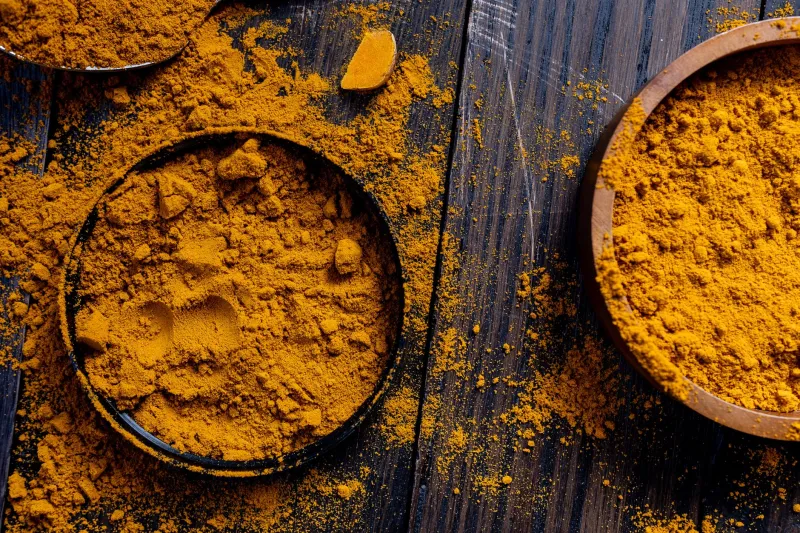
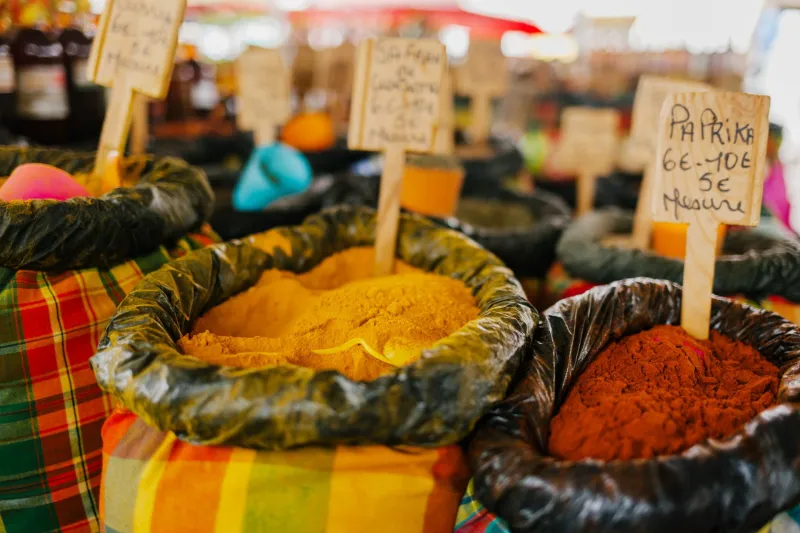
Turmeric (With Black Pepper): The Spice Cupboard Shortcut
Yes, turmeric has been somewhat over-hyped by the wellness industry. But the active compound curcumin genuinely does have anti-inflammatory properties — the research is solid enough that pharmaceutical companies have been investigating it as a therapeutic compound for years. The practical issue is bioavailability: curcumin is poorly absorbed by the body on its own.
The fix is brilliantly simple. Black pepper contains piperine, which increases curcumin absorption by up to 2,000%. A pinch of turmeric and a grind of black pepper in your scrambled eggs, your soup, your roasted vegetables — that's all it takes. A jar of ground turmeric costs about £1.50. This is possibly the cheapest anti-inflammatory intervention available.
Putting It Together
The beauty of this list is its ordinariness. None of these foods require a trip to a specialist shop, a hefty spend, or any significant change to your cooking habits. They're already part of the British food landscape — they just need a bit of a promotion.
Chronic inflammation doesn't have to be tackled with expensive supplements or dramatic dietary overhauls. Sometimes it starts with swapping white onions for red ones, reaching for the frozen spinach, and remembering that the tin of sardines at the back of the cupboard is, nutritionally speaking, something of a secret weapon.
Your weekly shop has been a pharmacy all along. You just needed the prescription.