The Spice Rack Revolution: How Britain's Global Kitchen Is Becoming Its Own Medicine Cabinet
The Spice Rack Revolution: How Britain's Global Kitchen Is Becoming Its Own Medicine Cabinet
Not so long ago, the average British spice rack was a fairly modest affair. Dried mixed herbs, perhaps some paprika for the rare ambitious pasta dish, and a tin of something labelled "curry powder" that had probably been there since 2009. Things have changed dramatically.
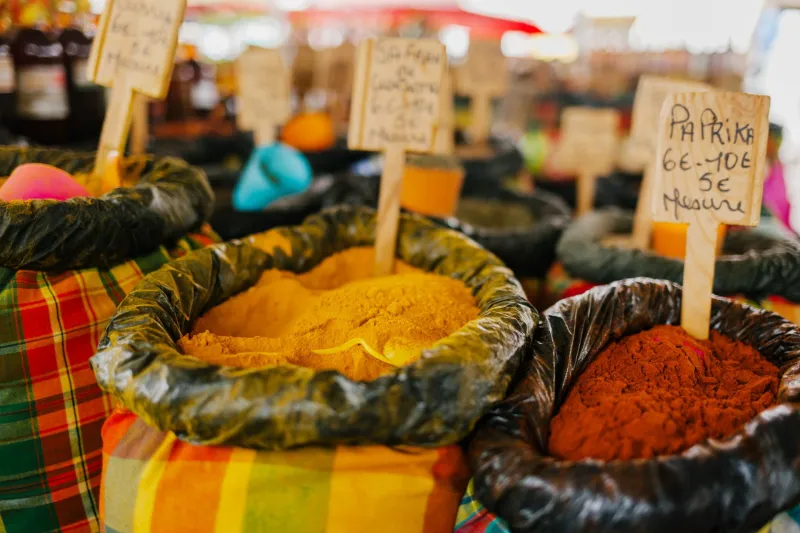
Walk into any Asian supermarket in Manchester, a Middle Eastern grocer in South London, or increasingly just your local Tesco, and you'll find shelves stacked with sumac, za'atar, fenugreek, nigella seeds, dried barberries, and turmeric in quantities that would have seemed exotic a decade ago. Britain's love affair with global cooking — accelerated by food television, social media, and the glorious diversity of our restaurant culture — has transformed what we keep at home.
 Photo: South London, via cms.througheternity.com
And here's the genuinely thrilling part: nutritionists and food researchers are increasingly excited about what those spices are doing to us, beyond simply making dinner taste brilliant.
Turmeric: The Golden Standard
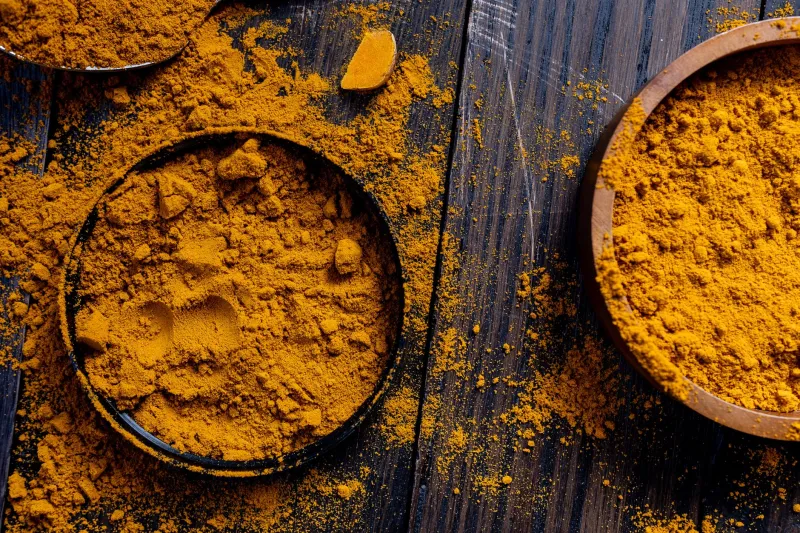
Let's start with the one you've probably already heard about, because the science genuinely holds up. Turmeric's active compound, curcumin, has been studied extensively for its anti-inflammatory properties, and the findings are consistently interesting. Chronic low-grade inflammation is now understood to underpin a staggering range of conditions — from cardiovascular disease and type 2 diabetes to depression and cognitive decline.
The catch? Curcumin on its own has poor bioavailability — your body struggles to absorb it efficiently. The traditional South Asian solution, which turns out to be entirely vindicated by modern research, is to combine it with black pepper. Piperine, the compound that gives black pepper its kick, increases curcumin absorption by up to 2,000%. Suddenly, the dhal your neighbour makes from her grandmother's recipe looks less like comfort food and more like precision nutrition.
"The traditional food cultures that have used turmeric for centuries weren't wrong," says Aarti Kapoor, a registered nutritional therapist based in Leicester. "They were working with empirical knowledge that we're now able to explain biochemically. The exciting thing for British health is that these ingredients are genuinely accessible and affordable."
Fenugreek: The Blood Sugar Whisperer
Fenugreek seeds — bitter, slightly maple-scented, and a staple in South Asian and North African cooking — have accumulated a quietly impressive body of research around blood glucose management. Several studies suggest that fenugreek can slow the absorption of carbohydrates and improve insulin sensitivity, making it particularly relevant in the context of the UK's type 2 diabetes epidemic.
You'll find fenugreek seeds for well under £2 in most Asian grocery shops, and they work beautifully in spiced lentil dishes, pickles, and flatbreads. The fact that something this pharmacologically interesting costs less than a Costa coffee is, frankly, remarkable.
Sumac and Za'atar: The Middle Eastern Gut Heroes
British home cooks have developed an increasing appetite for Middle Eastern and Levantine food — and the spice blends that define these cuisines are bringing a serious nutritional payload along for the ride.
Sumac, the deep ruby-red powder made from dried berries, is extraordinarily high in antioxidants — specifically anthocyanins and flavonoids. Research from several universities has flagged its potential for reducing oxidative stress and supporting cardiovascular health. It also has a bright, lemony tartness that makes it genuinely versatile: brilliant on roasted vegetables, stirred into yoghurt, or scattered over eggs.
Za'atar — typically a blend of dried thyme, sesame seeds, sumac, and salt — brings its own impressive credentials. Thyme is a potent antimicrobial and has been used in European folk medicine for respiratory health for centuries. Sesame seeds contribute calcium, zinc, and beneficial plant lignans. Together, they form a blend that does rather more than just make flatbread taste extraordinary.
"What I find genuinely exciting is the cumulative effect," says Dr. Rowan Fletcher, a food scientist at a UK university who has been researching the health properties of diaspora food cultures. "People aren't eating one 'superfood' in isolation — they're cooking whole meals where multiple bioactive compounds interact. That's where the real magic is, and it mirrors what the research on dietary patterns consistently shows."
Nigella Seeds: Tiny, Black, and Remarkably Busy
Also known as black seed or kalonji, nigella seeds have been used medicinally across the Middle East, South Asia, and North Africa for millennia. Modern research has been catching up with that traditional knowledge at pace. Studies have examined nigella's thymoquinone content — a compound with demonstrated anti-inflammatory, antioxidant, and even antimicrobial properties.
In practical terms, nigella seeds are wonderful scattered over bread doughs, stirred into curries, or used to top roasted cauliflower. They're cheap, widely available, and their slightly oniony, faintly peppery flavour works across a huge range of dishes.
Your Local Grocer Is the New Wellness Shop
There's something quietly radical about the idea that the best nutritional investment you can make isn't an expensive supplement subscription or a branded "wellness" product, but a Saturday morning visit to your local Asian or Middle Eastern grocer with a list of spices.
For a tenner, you could come home with turmeric, black pepper, fenugreek, sumac, and nigella seeds — enough to last months — and in the process, be adding genuine anti-inflammatory, gut-supporting, and immune-modulating compounds to your cooking every single day.
This isn't about turning dinner into a medical procedure or anxiously measuring portions of spice. It's simply about recognising that Britain's increasingly diverse and adventurous food culture is bringing something rather wonderful into our kitchens — and that cooking the way our multicultural communities have cooked for generations might be one of the most enjoyable health decisions we ever make.
Practical Spice Rack Starter Kit
Not sure where to begin? Here's a simple starting list:
- Turmeric + black pepper — add to scrambled eggs, soups, rice dishes
- Fenugreek seeds — toast lightly before using in lentil dishes or curries
- Sumac — use as a finishing spice on salads, fish, or roasted veg
- Za'atar — mix with olive oil as a dip, or rub onto chicken before roasting
- Nigella seeds — scatter over bread, flatbreads, or roasted root vegetables
Your spice rack has been waiting for this moment. Give it a proper upgrade.