The Humble Lentil's Big Moment: How Pulses Are Quietly Becoming Britain's Most Powerful Health Food
The Humble Lentil's Big Moment: How Pulses Are Quietly Becoming Britain's Most Powerful Health Food
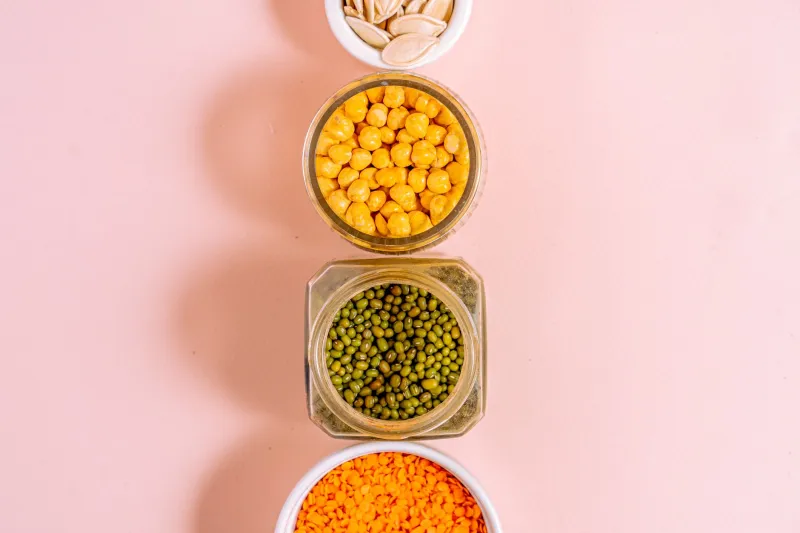
There's a quiet revolution happening in British kitchens, and it doesn't involve a celebrity chef, a viral TikTok trend, or anything that costs more than a pound. It involves lentils. Chickpeas. Black beans. Butter beans. The kind of ingredients your nan probably kept in a jar on the shelf and your younger self almost certainly ignored in favour of something beige and oven-ready.
Turns out, nan was onto something extraordinary.
A Nation Rediscovering Its Pulses
UK sales of dried and tinned pulses have surged dramatically over the past three years, with market analysts at Kantar reporting double-digit growth across the category. The drivers are multiple and intersecting: the cost-of-living squeeze pushing families toward cheaper protein sources, growing environmental awareness about meat consumption, and — perhaps most significantly — a wave of updated dietary guidance from NHS nutritionists that has placed legumes front and centre of recommendations for heart health, diabetes prevention, and digestive wellbeing.
The NHS Eatwell Guide now explicitly encourages Brits to swap some meat and fish for beans and pulses as part of a balanced diet. But what's changed recently is the specificity and enthusiasm with which frontline healthcare professionals are making that recommendation.
"I used to mention pulses as a footnote," admits Sunita Patel, a registered dietitian working with GP practices across Birmingham. "Now they're a headline. The evidence base has become so compelling that I genuinely get excited talking to patients about them. And the fact that they're cheap and widely available means there's no equity barrier — this is advice that works for everyone."
What's Actually Happening Inside Your Body
Let's get into the good stuff, because the physiological story here is genuinely remarkable.
Heart Health A landmark meta-analysis published in the Canadian Medical Association Journal — widely cited by British cardiologists — found that eating one serving of pulses per day was associated with a 5% reduction in LDL cholesterol (the 'bad' kind). Over time, that translates to meaningfully reduced cardiovascular risk. The mechanism involves soluble fibre, which essentially mops up cholesterol in the digestive tract before it can enter the bloodstream. Chickpeas, lentils, and kidney beans are all particularly high in this type of fibre.
Blood Sugar Regulation Pulses have an exceptionally low glycaemic index — they release energy slowly, avoiding the blood sugar spikes associated with refined carbohydrates. For the estimated 4.3 million people living with Type 2 diabetes in the UK, and the millions more at risk, this is significant. Research from the University of Toronto found that replacing two servings of high-GI foods per week with pulses measurably improved glycaemic control in people with Type 2 diabetes.
Gut Microbiome Magic Perhaps the most exciting frontier is what pulses do for the gut microbiome — the vast community of bacteria living in your digestive system that influences everything from immunity to mental health. Pulses are rich in prebiotic fibre, which feeds beneficial gut bacteria. A 2023 study from King's College London found that people who ate pulses at least four times per week showed significantly greater microbial diversity than those who rarely consumed them. Microbial diversity, researchers increasingly agree, is one of the strongest markers of overall health we currently have.
The Community Kitchens Leading the Charge
Across Britain, a network of community food projects has been quietly championing pulses long before they became fashionable. These grassroots initiatives — often running on shoestring budgets in community centres, mosque halls, and church kitchens — have understood for years that legumes represent the intersection of affordability, nutrition, and cultural richness.
In Bradford, the Roots & Routes Food Project runs weekly cooking sessions teaching families to prepare traditional South Asian dal recipes using locally sourced lentils, alongside newer dishes like harissa chickpea traybakes and smoky black bean tacos. Coordinator Fatima Hussain is pragmatic about the appeal. "We don't talk much about microbiomes in our sessions," she laughs. "We talk about feeding four people for under three quid and having something that tastes incredible. The health benefits come along for the ride."
In Glasgow, the Pulse Kitchen initiative — a partnership between a local food bank and NHS Greater Glasgow and Clyde — has distributed over 8,000 pulse-based recipe cards alongside food parcels since 2022, with follow-up surveys suggesting recipients felt more confident cooking with legumes and reported eating more of them. It's a small but telling example of how food-as-medicine thinking is filtering into practical community health work.
Addressing the Elephant in the Room
Yes, we're going to talk about wind. It would be remiss not to.
The reason many people avoid pulses — or give up on them after an enthusiastic but gassy week — is the well-known digestive side effect caused by oligosaccharides, a type of carbohydrate that humans can't fully digest but gut bacteria absolutely love (perhaps a little too enthusiastically at first).
The good news is that this is largely a transitional problem. "Your gut microbiome adapts," explains Dr James Whitfield, a gastroenterologist at Sheffield Teaching Hospitals. "People who eat pulses regularly report far fewer digestive issues than those who eat them occasionally. The trick is to increase your intake gradually, drink plenty of water, and if you're using dried pulses, soak and rinse them thoroughly before cooking. Tinned pulses, well-rinsed, tend to be better tolerated by beginners."
Adding a pinch of asafoetida (hing) to cooking — a spice used across South Asian cuisines specifically for this purpose — also appears to help, as does cooking pulses with bay leaves or kombu seaweed.
Making It Work on a Monday Night
The other barrier, beyond the flatulence fear, is the perception that pulses require time and culinary skill. They don't. Here are three genuinely simple ways to get more of them into your week:
The Swap: Replace half the mince in your next bolognese or shepherd's pie with green lentils. They absorb flavour brilliantly, add texture, and most family members won't notice — or will actively prefer it.
The Add: Tip a drained tin of cannellini beans into your next vegetable soup. Blend half of it back in to thicken the broth. Done. You've just added 15g of plant protein and a stack of soluble fibre.
The Star: Make a simple dal. Onion, garlic, ginger, tinned tomatoes, red lentils, cumin, and turmeric. Twenty-five minutes. Under £1.50 for four portions. Genuinely one of the most nutritionally complete meals you can put on a table.
A Prescription Worth Taking
What makes the pulse revolution genuinely exciting isn't just the science — it's the accessibility. In a healthcare landscape where the NHS is under enormous pressure and lifestyle medicine is increasingly recognised as a frontline intervention, the humble tin of chickpeas represents something almost radical: a meaningful health upgrade that anyone can afford, find in any corner shop, and put on the table tonight.
"If I could prescribe one dietary change to every patient I see," says dietitian Sunita Patel, "it would be to eat pulses at least three times a week. The evidence is there. The cost is minimal. The barriers are almost entirely psychological."
Time to raid that cupboard.