Prescription: Cha-Cha-Cha — How NHS Dance Classes Are Waltzing Patients Back to Health
When Your GP Says "Take Two Tangos and Call Me in the Morning"
Imagine walking into your doctor's surgery with chronic back pain, mild depression, or post-stroke recovery concerns, only to walk out with a prescription for... ballroom dancing. It sounds like something from a feel-good film, but across England and Scotland, this scenario is becoming beautifully, brilliantly real.
Dr. Patricia Evans from a practice in Swansea still chuckles when she remembers her first "dance prescription": "I had a 67-year-old gentleman with early-stage Parkinson's who was becoming increasingly isolated. Traditional physio wasn't engaging him. Six months of weekly salsa classes later, he's not just moving better — he's teaching other patients the basic steps."
Welcome to the NHS's most joyful revolution: social prescribing that trades medical jargon for music and movement.
The Rhythmic Remedy That's Got Doctors Dancing
The numbers behind this movement are genuinely staggering. A recent audit across 47 GP practices found that patients referred to structured dance programmes showed a 34% improvement in cardiovascular fitness, a 28% reduction in reported anxiety levels, and — perhaps most remarkably — a 45% decrease in GP visits over the following six months.
Dr. Michael Barnes, who leads the social prescribing initiative for NHS Greater Glasgow and Clyde, explains the science: "Dance combines everything we know works for human health — cardiovascular exercise, cognitive stimulation, social connection, and creative expression. It's like we've accidentally discovered a wonder drug that happens to be enormous fun."
The cognitive benefits are particularly impressive. Learning choreography engages multiple brain regions simultaneously, creating new neural pathways that can help with everything from memory retention to emotional regulation. For older adults, this translates to measurably improved executive function and reduced dementia risk.
From Foxtrot to Feel-Good: Real Stories from the Dance Floor
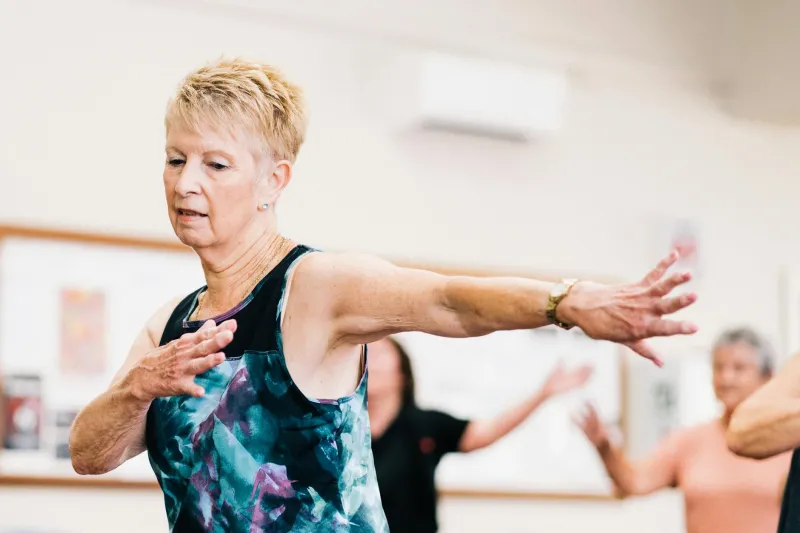
Margaret Thompson, 73, from Dundee, was referred to Scottish country dancing after a mild stroke left her struggling with balance and confidence. "I thought the doctor had lost his marbles," she laughs. "I hadn't danced since my wedding in 1972. But within a month, I was leading Strip the Willow and feeling more like myself than I had in years."
The transformation stories span all demographics. James Rodriguez, a 34-year-old warehouse worker from Birmingham, was prescribed Latin dance classes after developing chronic lower back pain. "My physio wasn't working, and I was popping ibuprofen like sweets. Now I salsa twice a week, my back pain's virtually gone, and I've made friends I actually look forward to seeing."
Perhaps most moving is the story of the "Parkinson's Pioneers" — a group in Newcastle who started with one prescribed patient and has grown into a 40-strong community. They perform at local care homes and have become ambassadors for the programme, proving that medicine's most powerful interventions often happen when patients become teachers.
The Lunchtime Lifeline
What's particularly clever about many of these programmes is their timing. Rather than competing with evening commitments, many sessions run during lunch hours, transforming the traditional "sad desk salad" break into something genuinely restorative.
Linda Walsh coordinates lunchtime dance sessions across three NHS trusts in Manchester: "We're seeing healthcare workers, patients, and community members all dancing together. A cardiac nurse might be learning the waltz alongside someone she treated six months ago. It's breaking down barriers in ways we never anticipated."
The workplace benefits are tangible too. Staff participating in lunchtime dance sessions report higher job satisfaction, better relationships with colleagues, and — crucially for the NHS — reduced sick days.
Beyond the Ballroom: Different Dances for Different Needs
The beauty of dance as medicine lies in its versatility. Gentle chair-based movement sessions work for care home residents, while high-energy Bollywood classes appeal to younger demographics struggling with mental health challenges.
Zumba Gold has proven particularly successful for cardiac rehabilitation patients, offering the cardiovascular benefits of traditional exercise programmes with added social support and genuine enjoyment. "When patients are having fun, they don't realise they're working hard," notes cardiac nurse specialist Helen Davies from Cardiff.
Meanwhile, traditional English folk dancing is finding new life as therapy for anxiety disorders. The predictable patterns and community singing elements create what psychologists call "embodied mindfulness" — a moving meditation that calms racing minds.
The Prescription That Keeps on Giving
What sets dance apart from other social prescribing initiatives is its sustainability. Unlike gym memberships that gather dust or hobby classes that fizzle out, dance communities tend to become self-perpetuating. Experienced dancers mentor newcomers, friendships form beyond the studio, and what started as medical intervention becomes social infrastructure.
Dr. Sarah Mitchell, who's been tracking long-term outcomes for five years, puts it perfectly: "We're not just treating symptoms — we're building communities. Some of our first dance prescription patients are now running their own sessions, teaching others, organising social events. It's healthcare that multiplies itself."
Getting Your Groove On: How to Join the Movement
If you're intrigued by the idea of dancing your way to better health, start by talking to your GP about social prescribing options in your area. Many programmes welcome self-referrals too, particularly for preventive health benefits.
Most sessions are designed for absolute beginners, so don't worry about two left feet or rusty moves. The emphasis is firmly on participation over perfection, community over competition.
As Margaret from Dundee says: "I thought I was too old, too unfit, too uncoordinated. Turns out, I was just too scared. Best prescription I ever received was the one that got me moving again."
So next time your doctor suggests something that sounds more fun than pharmaceutical, don't dismiss it. Sometimes the best medicine comes with a beat you can dance to.