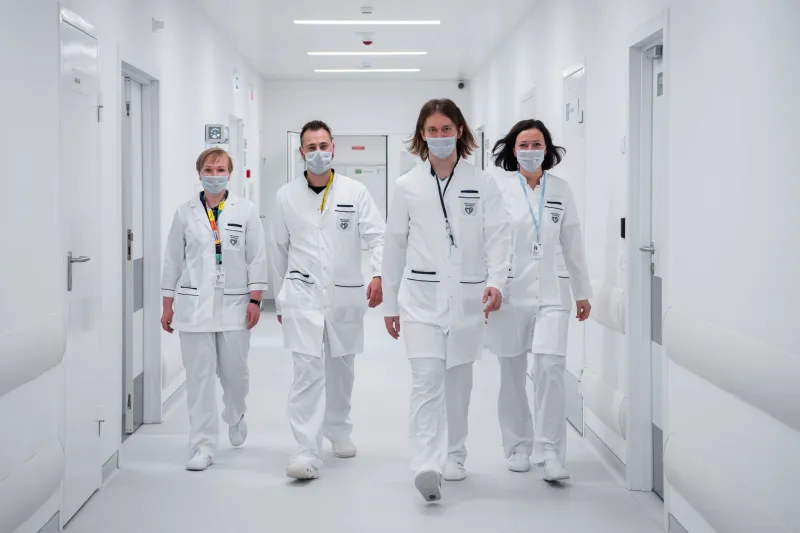
The Lunch Break Comeback: Why Smart British Employers Are Turning Midday Into Their Secret Weapon Against Burnout

At some point in the last two decades, Britain quietly agreed to stop having lunch. Not literally — we still eat, usually hunched over keyboards with a Pret bag and a growing sense of guilt — but the idea of a proper, restorative midday break has become almost quaint. A relic. Something your parents did before open-plan offices and Slack notifications arrived.
The consequences are becoming impossible to ignore. UK sick day rates remain stubbornly high. Burnout is a recognised occupational health crisis. And afternoon productivity — measured by everything from error rates to creative output — falls off a cliff in ways that are well-documented and largely preventable.
But here's where it gets interesting. A growing cohort of British employers has started treating the lunch hour not as dead time to be minimised, but as an active investment. And the data coming back is genuinely striking.
The Scale of the Problem
Let's put some numbers on it. According to research from the Chartered Institute of Personnel and Development, UK workers take an average of 7.8 sick days per year — a figure that has remained persistently elevated and costs the economy an estimated £100 billion annually when lost productivity is factored in. Occupational health specialists have long pointed to chronic stress and insufficient recovery time as key drivers.
"The lunch break isn't a luxury — it's a physiological necessity," says Dr. Karen Osei, an occupational health physician working with several large UK organisations. "When we look at the data on cortisol patterns, cognitive function, and cardiovascular markers across a working day, the evidence for a genuine midday break is overwhelming. We're essentially asking people to run on empty and then wondering why they keep breaking down."
 Photo: Dr. Karen Osei, via cookcountyhealth.org
The irony is that most employment contracts still technically include a lunch break. We've just collectively agreed to pretend it doesn't exist.
What Progressive UK Employers Are Actually Doing
The companies leading the charge aren't necessarily the Silicon Valley-inspired tech firms with ping-pong tables and cold brew on tap. Some of the most interesting experiments are happening in more traditional sectors — logistics companies in the Midlands, NHS trusts in the North East, financial services firms in Edinburgh — places where the culture of presenteeism has historically been strongest.
Structured social walks are emerging as one of the most popular and cost-effective interventions. Several UK employers have introduced optional guided 20-minute lunchtime walks — sometimes with a loose agenda, sometimes purely social — and reported measurable drops in self-reported stress and afternoon sickness absence. The physical benefits (cardiovascular, metabolic) are real, but occupational health teams often point to the social connection element as equally important, particularly in hybrid working environments where people can go days without meaningful face-to-face interaction.
Communal eating spaces are being redesigned with serious intent. Not just a canteen with plastic chairs, but proper spaces that encourage people to actually sit down together, away from screens. Research from the University of Oxford's social neuroscience group has consistently shown that eating together strengthens social bonds and reduces feelings of isolation — both significant predictors of long-term mental health outcomes.
 Photo: University of Oxford, via windows10spotlight.com
On-site stretch and mobility sessions — typically 15–20 minutes, led by a physiotherapist or trained facilitator — are being trialled in manufacturing and office environments alike. The logic is simple: sedentary postures maintained for five or six hours produce muscular tension, reduced circulation, and the kind of foggy, irritable afternoon that makes everyone slightly worse at their jobs.
The Sick Day Maths
For employers, the business case is increasingly clear. One logistics firm in the East Midlands — which introduced a structured lunch break programme including walks, a redesigned communal space, and a no-eating-at-desks policy — reported a 19% reduction in short-term absence over 18 months. A financial services company in Leeds saw similar results after introducing "recovery hour" guidance that actively encouraged managers to model proper lunch breaks themselves.
"The manager behaviour piece is critical," notes Dr. Osei. "If the team sees the senior manager eating lunch at their desk every day, no policy document is going to change the culture. Psychological safety around actually taking a break has to come from the top."
The return on investment calculations, when companies actually run them, tend to be persuasive. A meaningful reduction in sick days, even a modest one, quickly offsets the cost of any wellbeing infrastructure.
What If Your Employer Isn't On Board?
Here's the honest truth: most UK workplaces haven't caught up yet. If you're waiting for your employer to sort this, you might be waiting a while. But there are things you can do right now, regardless of what your company's culture looks like.
Block it in your calendar. Treat your lunch break like a meeting. Name it something innocuous if you're worried about perception — "focus time" works — but protect it.
Get outside, even briefly. A 10-minute walk around the block does measurable things to your cortisol levels and afternoon alertness. You don't need a structured programme or a wellness budget.
Eat away from your screen. This is harder than it sounds, but the evidence that screen-free eating improves digestion, reduces mindless calorie intake, and creates a genuine cognitive break is robust.
Find a walking companion. Social walking is significantly more effective than solo walking for mental health outcomes. Even one colleague willing to do a 15-minute loop makes a real difference.
Use the time to do something genuinely restorative. Not admin. Not emails. Something that actually feels like a break — a podcast, a book, a phone call to someone you like.
The Bigger Picture
Britain's relationship with rest has always been complicated. We wear busyness as a badge of honour and treat stopping as a character flaw. The workplace wellness movement challenging this isn't just about productivity metrics, though the data there is compelling. It's about a more fundamental question of how we want to spend our working lives.
The lunch break, it turns out, was never wasted time. It was the bit that made all the other time possible.
Perhaps it's time to take it back.