The Two-Minute Fitness Revolution: How Brits Are Getting Fitter Without Ever Seeing a Gym
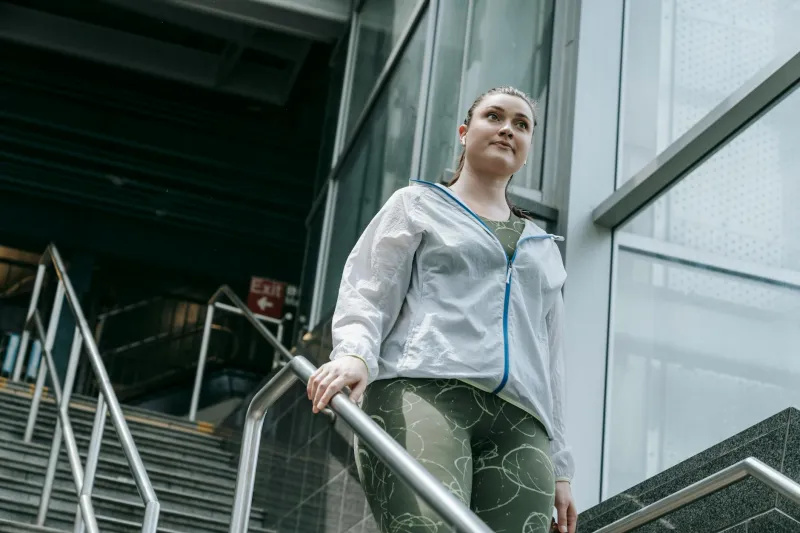
The Death of the Hour-Long Workout (And Why That's Brilliant News)
Forget everything you thought you knew about getting fit. While Britain's gym chains continue their expensive membership drives, a quiet revolution is happening in stairwells, bus stops, and office corridors across the country. Exercise snacking — slipping bite-sized bursts of movement into everyday life — is proving more effective than traditional workouts, and it doesn't cost a penny.
The concept is beautifully simple: instead of blocking out an hour for the gym (which, let's be honest, most of us struggle to do consistently), you scatter tiny doses of exercise throughout your day. Two minutes here, three minutes there, building up to remarkable health benefits without the sweat, expense, or schedule juggling that makes conventional fitness so hard to sustain.
"We've been thinking about exercise all wrong," explains Professor Martin Gibala from McMaster University, whose groundbreaking research sparked the exercise snacking movement. "Your body doesn't care if you do 30 minutes of exercise in one block or six five-minute sessions. In fact, the evidence suggests that spreading activity throughout the day might be superior."
 Photo: McMaster University, via static.wixstatic.com
The Science That's Changing Everything
The research backing exercise snacking is genuinely jaw-dropping. A recent study published in the British Journal of Sports Medicine followed 25,000 adults who wore activity trackers, comparing those who did traditional structured exercise with those who accumulated activity in short bursts throughout the day.
The results? People who managed just four minutes of vigorous daily activity — split into 30-second chunks — reduced their risk of cardiovascular disease by 40%. Those who accumulated 11 minutes of moderate activity in two-minute bursts saw similar benefits to people doing hour-long gym sessions three times a week.
But here's the really exciting part: exercise snackers were 60% more likely to maintain their activity levels long-term compared to gym-goers. Without the pressure of finding time for formal workouts, they simply wove movement into their existing routines until it became automatic.
"The barrier to entry is so low that it's almost impossible to fail," notes Dr. Emma Stevenson, a sports nutrition researcher at Newcastle University. "You don't need special clothes, equipment, or even time. You just need stairs to climb or a bus to catch."
 Photo: Newcastle University, via c8.alamy.com
Real Brits, Real Results: The Everyday Athletes
Meet Claire Davidson, a 42-year-old accountant from Birmingham who hasn't seen the inside of a gym in five years but is fitter now than she was in her twenties. Her secret? Exercise snacking that fits seamlessly into her commute and workday.
"I get off the bus two stops early and power-walk the rest — that's eight minutes of cardio," she explains. "I take the stairs instead of the lift — another two minutes. I do squats while waiting for the kettle to boil, wall push-ups during conference calls when I'm on mute, and calf raises while brushing my teeth."
Claire's daily total rarely exceeds 20 minutes, but her fitness tracker shows she's averaging 8,000 steps and burning 400 calories through these micro-movements. Her resting heart rate has dropped from 78 to 58 beats per minute, and she's lost two stone without changing her diet.
"The brilliant thing is that I never feel like I'm exercising," she laughs. "It's just become part of how I move through my day."
Similarly, 55-year-old teacher Mark Thompson from Manchester discovered exercise snacking during lockdown and never looked back. "I started doing press-ups against my kitchen counter while my coffee brewed," he recalls. "Then I added in some stretches during the ad breaks when watching TV, and a few minutes of marching on the spot while dinner cooked."
Eighteen months later, Mark's blood pressure has normalised, his back pain has disappeared, and he's gained muscle definition that eluded him during years of sporadic gym attendance. "My doctor was amazed at my latest health check," he grins. "All those tiny moments add up to something massive."
The Ultimate Exercise Snack Menu: Maximum Impact, Minimum Time
So what are the most effective exercise snacks? Sports scientists have identified several micro-movements that deliver outsized benefits:
Stair climbing tops the list. Just 20 seconds of vigorous stair climbing (think running up two flights) can boost cardiovascular fitness and leg strength. Do this three times a day, and you're looking at measurable improvements within weeks.
Desk-based movements are perfect for office workers. Wall push-ups (30 seconds), desk squats (1 minute), and seated leg extensions (1 minute) can be done in work clothes without breaking a sweat. The key is consistency — aim for one micro-session every hour.
Waiting time workouts transform dead time into fitness gains. Calf raises while queuing, gentle squats at bus stops, and balance exercises during TV ads all count. These might seem insignificant, but they add up to impressive daily totals.
Walking intervals supercharge your daily steps. Instead of maintaining a steady pace, alternate between normal walking and 30-second bursts of brisk walking. This interval approach burns more calories and improves cardiovascular fitness more effectively than steady-state walking.
Why Exercise Snacking Works When Gym Memberships Fail
The psychology behind exercise snacking's success is fascinating. Traditional fitness culture creates an all-or-nothing mentality — miss a gym session, and you've "failed." Exercise snacking removes this pressure entirely.
"There's no such thing as missing a workout when exercise is woven into your daily routine," observes Dr. James Pringle, a behavioural psychologist studying exercise adherence. "If you miss your morning stair climb, you can catch up at lunch or in the evening. The flexibility makes it sustainable."
The approach also sidesteps common fitness barriers. No gym fees, no commute time, no special clothes, no shower requirements. For busy parents, shift workers, or anyone juggling multiple commitments, exercise snacking offers a realistic path to better health.
The Metabolic Magic of Mini-Workouts
From a nutritional perspective, exercise snacking offers unique benefits that hour-long workouts can't match. Each mini-session kickstarts your metabolism, creating multiple "afterburn" periods throughout the day where you continue burning calories at an elevated rate.
"When you exercise in short bursts, you're essentially giving your metabolism several wake-up calls," explains registered dietitian Sarah Collins. "This leads to better blood sugar control, improved fat oxidation, and more stable energy levels compared to one long workout followed by hours of sedentary behaviour."
The frequent muscle activation also improves insulin sensitivity and helps regulate appetite. Many exercise snackers report feeling more satisfied with their meals and experiencing fewer energy crashes throughout the day.
The Future of Fitness Is Already Here
As word spreads about exercise snacking's effectiveness, the approach is gaining institutional support. Some forward-thinking employers are installing standing desks and encouraging movement breaks. NHS trusts are prescribing exercise snacking to patients who struggle with traditional fitness programmes. Even fitness apps are pivoting to offer micro-workout notifications throughout the day.
"We're witnessing a fundamental shift in how people think about exercise," predicts Dr. Stevenson. "The future isn't about finding time for fitness — it's about making every moment count."
For the thousands of Brits already embracing exercise snacking, the future is now. They're proving that you don't need a gym membership to transform your health — you just need to see the fitness opportunities hidden in plain sight throughout your day.
The revolution isn't happening in gleaming fitness studios or expensive sports clubs. It's happening on ordinary staircases, at everyday bus stops, and in kitchen corners across Britain. And it's working brilliantly.