Nature's Free Pharmacy: How Britain's Wild Hedgerows Are Becoming the Ultimate Health Hack
The Wild Side of Wellness
Forget your fancy superfood smoothies and imported goji berries — Britain's hedgerows have been quietly serving up nutritional powerhouses for centuries. While we've been busy queuing at Waitrose for the latest wellness trend, our ancestors were getting their five-a-day straight from the countryside's natural larder.
Now, nutritionists across the UK are waking up to what foragers have known all along: those tangled, seemingly chaotic hedgerows lining our footpaths and country lanes are actually nature's most underrated health food store. And the best bit? It's all completely free.
The Science Behind Wild Nutrition
Dr Sarah Mitchell, a nutritionist at the University of Edinburgh, has spent the past three years studying the nutritional content of common British hedgerow plants. Her findings are nothing short of remarkable.
"Wild plants often contain significantly higher levels of vitamins, minerals, and phytonutrients than their cultivated cousins," she explains. "Take wild garlic, for instance — it contains nearly double the vitamin C of shop-bought garlic, plus higher levels of allicin, the compound responsible for garlic's immune-boosting properties."
The reason? Wild plants have had to develop robust defence mechanisms against pests, diseases, and harsh weather conditions. These natural defences translate into higher concentrations of beneficial compounds that our bodies can use to fight inflammation, boost immunity, and support overall health.
Britain's Top Hedgerow Heroes
Elderflowers and Elderberries: These creamy white flowers and dark purple berries are absolute vitamin C superstars. Research shows elderberries contain three times more vitamin C than oranges, plus powerful anthocyanins that support heart health and may help reduce cold symptoms.
Hawthorn Berries: Known as "haws" to country folk, these small red berries have been used for heart health for generations. Modern studies confirm they can help regulate blood pressure and support cardiovascular function.
Nettle Leaves: Yes, those stinging nettles that terrorised your childhood walks are actually nutritional goldmines. Once cooked or dried, they're packed with iron, calcium, and vitamins A and C. Many foragers swear by nettle tea for boosting energy levels.
Wild Rose Hips: The bright red fruits of wild roses contain more vitamin C than almost any other plant. During World War II, British school children were enlisted to collect rose hips to make vitamin C syrup when citrus fruits were scarce.
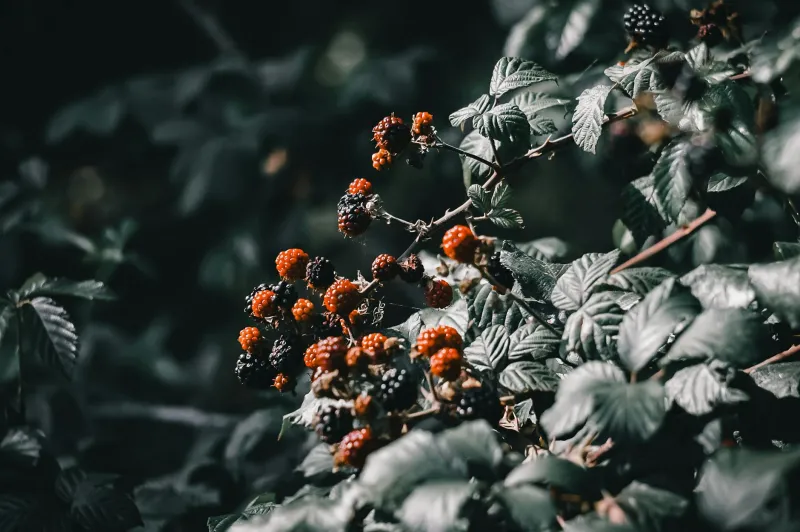
Blackberries: Beyond their delicious taste, wild blackberries are loaded with antioxidants, particularly anthocyanins, which may help protect against cognitive decline and support brain health.
The Foraging Renaissance
Across Britain, foraging groups are experiencing unprecedented growth. The Wild Food Association reports a 300% increase in membership over the past five years, with urban dwellers making up the fastest-growing segment.
Mark Williams, who runs foraging walks across the Cotswolds, has noticed a distinct shift in his participants' motivations. "Five years ago, people came for the novelty factor," he says. "Now they're genuinely interested in the health benefits and want to reconnect with traditional food sources."
The appeal extends beyond rural areas. In Manchester, community group 'Urban Foragers' organises monthly walks through local parks and green spaces, teaching participants to identify edible plants growing right under their noses.
Safety First: The Golden Rules of Foraging
Before you grab your basket and head for the nearest hedgerow, there are essential safety guidelines every aspiring forager must follow:
Never eat anything you can't positively identify. Many edible plants have toxic look-alikes. Invest in a reputable foraging guide or, better yet, join a guided walk with an experienced forager.
Follow the 'rule of thirds': Take no more than one-third of any plant, leaving plenty for wildlife and regeneration.
Avoid roadsides and industrial areas where plants may have absorbed pollutants from traffic or contaminated soil.
Check land ownership. While foraging for personal consumption is generally permitted on public land, always respect private property and local bylaws.
The Mental Health Bonus
Beyond the nutritional benefits, foraging offers something our screen-saturated lives desperately need: mindful connection with nature. Dr James Patterson, a psychologist specialising in nature-based therapies, explains: "Foraging combines physical activity, mindfulness, and learning in a natural environment. It's like meditation, exercise, and education rolled into one."
Studies from the University of Essex show that just two hours spent in nature can significantly reduce cortisol levels and improve mood. Add the satisfaction of finding your own food, and you've got a recipe for both physical and mental wellbeing.
Getting Started: Your First Foraging Adventure
Ready to dip your toe into Britain's wild food scene? Start small and local. Many town centres have surprisingly rich pickings — dandelion leaves for salads, plantain for natural first aid, and wild garlic in shaded areas.
Consider joining a local foraging group or booking a guided walk. The Wild Food Association website lists approved guides across the UK, many offering beginner-friendly sessions that combine plant identification with cooking tips.
Remember, foraging isn't about replacing your weekly shop — it's about adding variety, nutrition, and a dose of outdoor adventure to your diet. Plus, there's something rather satisfying about telling your mates that your Sunday roast garnish came from the hedgerow at the end of your street.
As our ancestors knew and science is now proving, sometimes the best medicine really is right outside our front door. Time to take a walk and see what nature's been cooking up in your neighbourhood.