Budget Brilliance: Your Local Pound Shop's Secret Stash of NHS-Approved Health Heroes

The Wellness Industry's Worst Nightmare: Effective Health on a Shoestring
While Instagram influencers flog £45 adaptogenic lattes and £80 supplement stacks, Britain's most practical health revolution is quietly happening in the aisles of Poundland, Home Bargains, and your local corner chemist.
Registered dietitian and NHS consultant Emma Richardson has spent the past year investigating what she calls "high street health hacks" — affordable, evidence-backed items that deliver genuine health benefits without the premium price tag.
"The wellness industry wants you to believe that good health costs a fortune," she explains. "But some of the most effective interventions I recommend to patients cost less than a fancy coffee."
Her findings? A treasure trove of legitimate health upgrades hiding in the most unlikely places, all backed by solid science and approved by healthcare professionals who actually understand budgets.
The Magnificent Seven: Pound Shop Pharmacy Champions
Epsom Salts: The £1.50 Sleep Solution
You'll find them next to the bath bombs in most discount stores, but these magnesium sulphate crystals are far more than a luxury soak. "Transdermal magnesium absorption through Epsom salt baths can genuinely improve sleep quality," confirms Dr. James Porter, a sleep specialist at Guy's Hospital.
The science is straightforward: magnesium deficiency affects 70% of UK adults and directly impacts sleep regulation. A 20-minute soak in warm water with two handfuls of Epsom salts provides bioavailable magnesium that bypasses digestive issues.
"I recommend this to patients before prescribing sleep aids," notes Dr. Porter. "It's safer, cheaper, and often more effective than pharmaceutical alternatives."
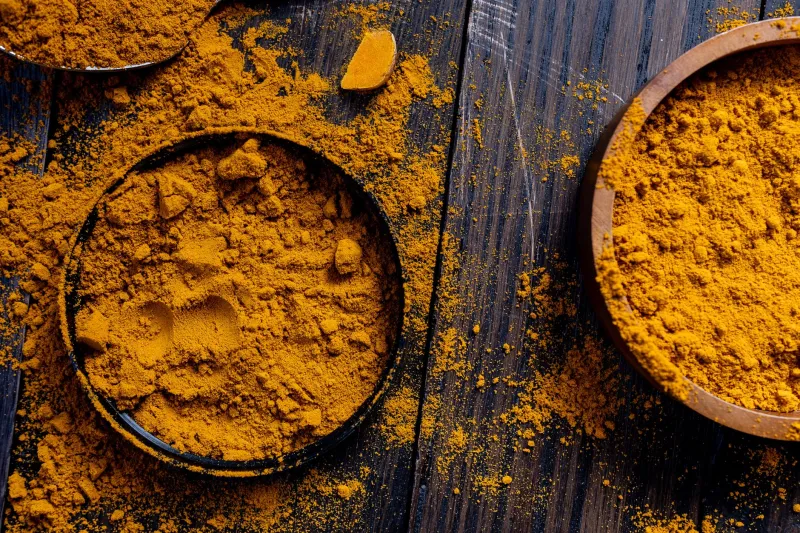
Turmeric Powder: The 90p Anti-Inflammatory Powerhouse
Forget expensive curcumin supplements — the cooking spice aisle holds one of nature's most potent anti-inflammatories. "Fresh or powdered turmeric contains curcumin in its naturally occurring form, which is often better absorbed than isolated supplements," explains NHS dietitian Sarah Webb.
The key? Combine it with black pepper (piperine enhances absorption by 2000%) and a fat source like coconut oil. "Golden milk made with discount store turmeric is as effective as many premium wellness products," Webb confirms.
Kefir from Aldi: The £1.29 Gut Health Game-Changer
While fancy probiotic supplements can cost £30+ monthly, a bottle of kefir from budget supermarkets delivers more diverse beneficial bacteria than most expensive alternatives.
"Kefir contains up to 61 different strains of probiotics, compared to 5-10 in most supplements," notes Professor Tim Spector, gut health researcher at King's College London. "The live cultures in shop-bought kefir are often more viable than freeze-dried capsules."
Bonus points: it's regulated as a food product, meaning quality standards are often higher than unregulated supplements.
Apple Cider Vinegar: The £2 Blood Sugar Stabiliser
Available in every supermarket for under £2, apple cider vinegar has robust research supporting its blood sugar benefits. "Taking 1-2 tablespoons diluted in water before meals can reduce post-meal glucose spikes by up to 34%," confirms diabetes specialist Dr. Rachel Green.
The acetic acid slows gastric emptying and improves insulin sensitivity — effects that expensive "glucose management" supplements try to replicate with synthetic compounds.
Frozen Berries: The £1 Antioxidant Arsenal
Fresh superberries can cost £4 for a handful, but frozen mixed berries from budget stores deliver identical — sometimes superior — nutritional benefits.
"Frozen berries are picked at peak ripeness and flash-frozen, preserving antioxidant levels better than fresh berries that travel for days," explains food scientist Dr. Lisa Murphy. "You're getting more anthocyanins and vitamin C for a fraction of the cost."
Oats: The 75p Cholesterol Champion
The humble porridge oat, available for under £1 per kilogram, contains beta-glucan — a soluble fibre that actively reduces cholesterol levels. "Three grams of oat beta-glucan daily can lower LDL cholesterol by 5-10%," states British Heart Foundation nutritionist Helen Bond.
That's roughly one bowl of porridge made with 40g oats — costing about 3p per serving.
Dried Legumes: The £1.50 Protein and Fibre Jackpot
While protein powders cost £20-40, a bag of dried lentils, chickpeas, or beans from discount stores provides complete proteins plus fibre, folate, and iron.
"Legumes are nutritionally superior to most protein supplements," argues sports nutritionist Dr. Kevin Currell. "They provide sustained energy, promote gut health, and cost roughly 15p per serving."
The Professional Seal of Approval
These aren't fringe recommendations from wellness bloggers — they're evidence-based suggestions from NHS-affiliated professionals who understand both nutrition science and real-world budgets.
"I spend half my consultations convincing patients they don't need expensive supplements," admits pharmacist Mark Thompson from a busy Birmingham practice. "The basics — magnesium, probiotics, anti-inflammatories — are all available cheaply if you know where to look."
Dr. Richardson agrees: "The most sustainable health changes happen when people can afford to maintain them long-term. A £3 weekly health routine beats a £30 monthly supplement that gets abandoned after two months."
Smart Shopping Strategies
Read labels carefully: Generic brands often contain identical active ingredients to premium versions.
Check sell-by dates: High turnover stores usually have fresher stock than expensive health shops.
Buy seasonally: Frozen and dried alternatives often provide better value and nutrition than out-of-season fresh options.
Start small: Try one or two additions before overhauling your entire routine.
The Bottom Line on Budget Health
While the wellness industry peddles complexity and premium pricing, Britain's health professionals are quietly recommending simpler, cheaper alternatives that actually work.
"Good health shouldn't be a luxury," concludes Dr. Richardson. "Some of the most effective interventions cost less than a pint of beer and are available on every high street in the country."
So next time you're walking past Poundland, remember: your local discount store might just stock the health upgrade you've been searching for — without the premium price tag or Instagram-worthy packaging.