Spade Work: How Britain's Allotment Army Is Accidentally Building the Perfect Bodies
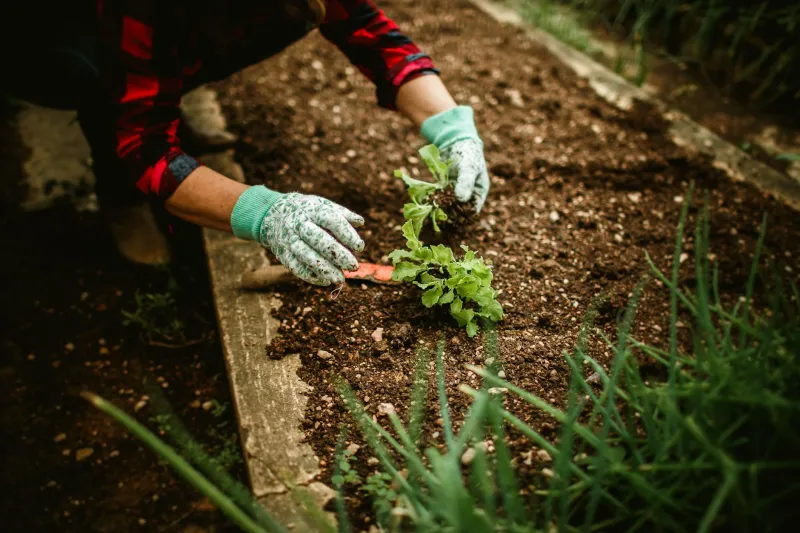
The Unexpected Athletes of Plot 42B
Forget your fancy gym memberships and boutique fitness classes – Britain's best-kept workout secret is happening behind the rickety gates of allotment sites across the country. While fitness influencers are flogging expensive equipment and complicated routines, a quiet army of gardeners is getting ripped the old-fashioned way: by growing their own dinner.
Sports scientists have finally got around to studying what allotment holders have suspected all along – that a morning spent battling bindweed and hauling compost delivers a workout that would make a personal trainer weep with envy.
The Numbers That'll Make You Reach for Your Wellies
A groundbreaking study from Loughborough University strapped fitness trackers to 200 allotment gardeners across the Midlands for six months. The results? Eye-watering. A typical Saturday morning session (around 3-4 hours) burned an average of 1,200-1,500 calories – roughly equivalent to a two-hour gym workout combining cardio and weights.
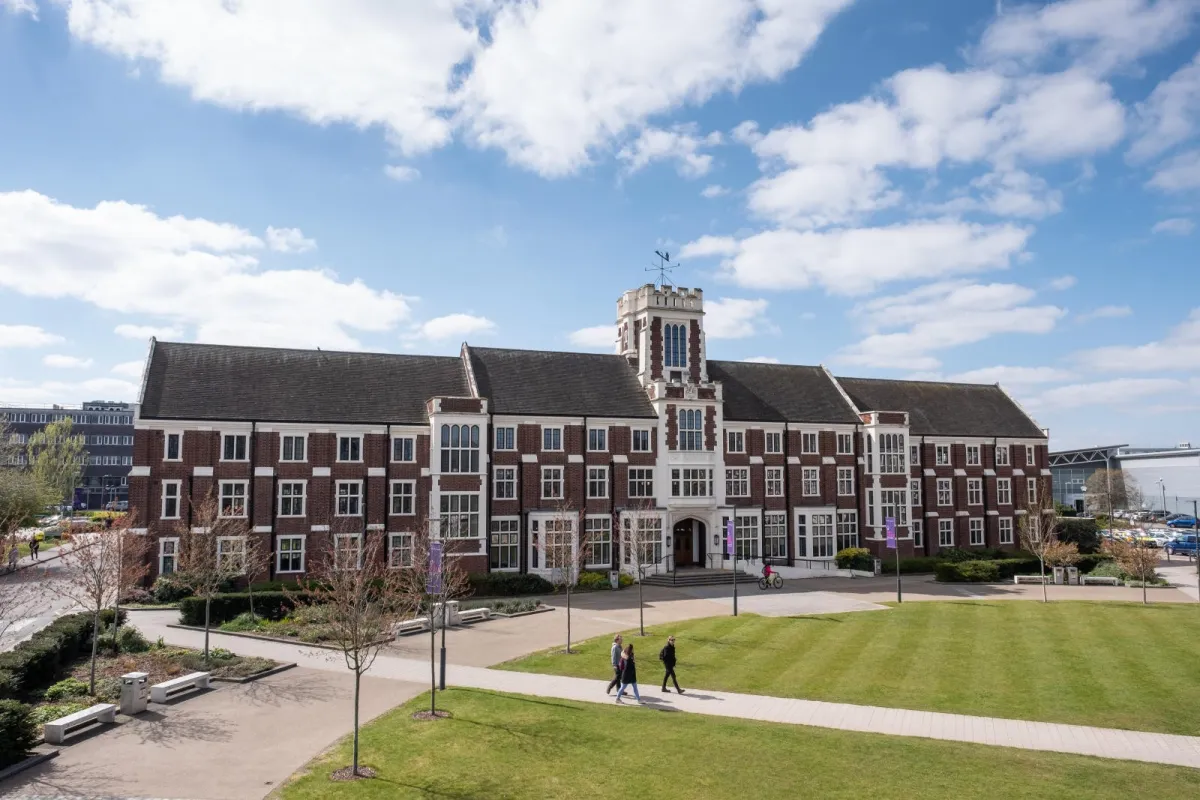 Photo: Loughborough University, via univerlist.com
But here's the really clever bit: unlike gym sessions that focus on isolated muscle groups, allotment work engages what exercise physiologists call "functional movement patterns" – the kind of multi-muscle activities our bodies were actually designed for.
Dr. Rebecca Thomson, who led the research, puts it brilliantly: "Digging engages your core, legs, shoulders, and arms simultaneously while requiring balance and coordination. It's essentially a full-body compound exercise that happens to produce vegetables."
Breaking Down the Allotment Advantage
Let's get specific about what's happening when you're knee-deep in kale cultivation. Digging – that fundamental allotment activity – works your quadriceps, glutes, core, and shoulders while providing cardiovascular benefits similar to moderate cycling. An hour of proper digging burns roughly 300-400 calories while building functional strength.
Weeding, often dismissed as gentle pottering, actually delivers what fitness experts call "isometric exercise" – holding challenging positions while your muscles work to maintain stability. Those awkward squats while pulling up dandelions? You're basically doing yoga poses while getting productive.
Compost turning and wheelbarrow hauling provide interval training without the gym membership fees. The varied terrain of most allotment sites means you're constantly adjusting your gait and engaging stabilising muscles that treadmills simply can't target.
The Mental Muscle Workout
But the benefits extend far beyond the physical. Gardening provides what psychologists call "effortless attention" – the kind of gentle mental focus that actually restores cognitive function rather than depleting it. Unlike the aggressive motivation required for most gym sessions, allotment work offers what researchers term "restorative exercise."
Dr. James Mitchell from the University of Essex has been studying this phenomenon for years: "Traditional exercise often feels like punishment – something you endure for future benefits. Gardening feels purposeful in the moment. You're not exercising to get fit; you're working towards a tangible goal, and fitness becomes a happy side effect."
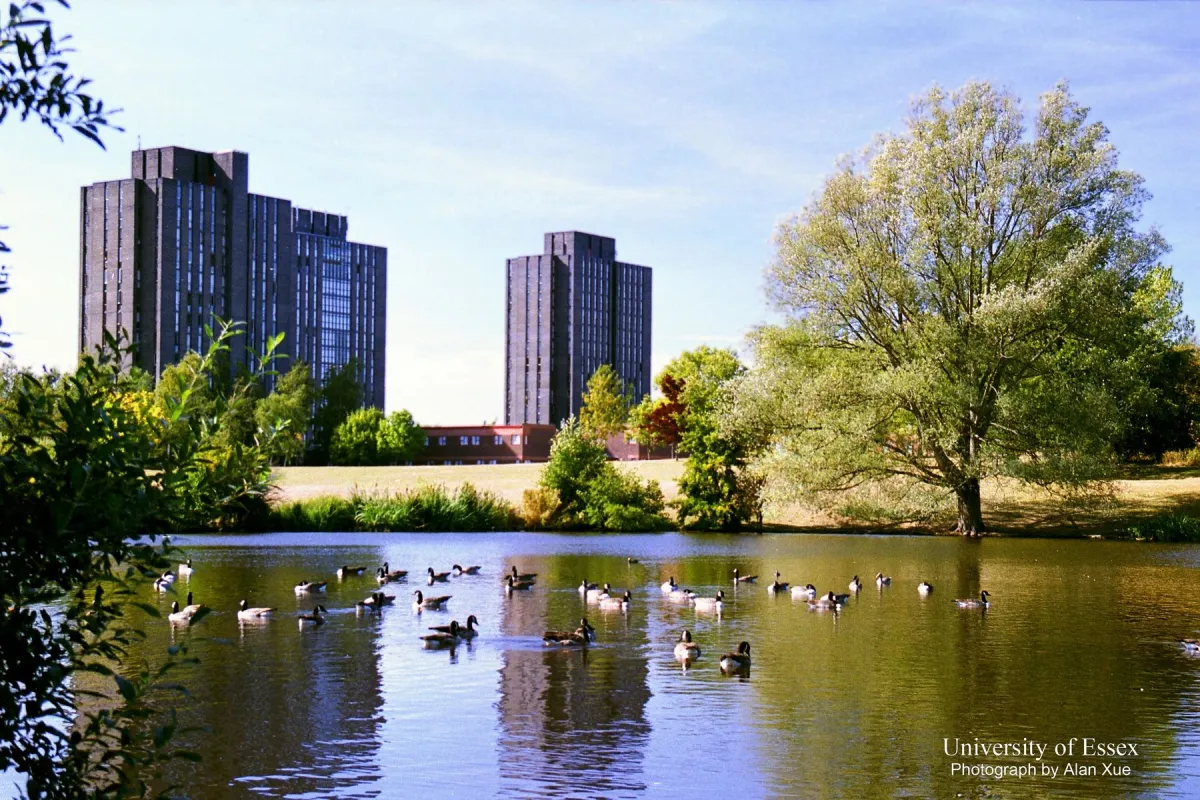 Photo: University of Essex, via i.pinimg.com
This psychological shift is crucial for long-term adherence. While gym memberships notoriously see 80% dropout rates within six months, allotment holders typically maintain their plots for years or even decades.
The GP Revolution: Prescribing Plot Time
Some progressive GPs are already cottoning on to these benefits. Dr. Sarah Phillips, a family doctor in Derbyshire, has started recommending allotment gardening to patients struggling with everything from Type 2 diabetes to depression.
"I've got patients who've transformed their health through gardening," she explains. "One gentleman with pre-diabetes has completely normalised his blood sugar levels through a combination of regular plot work and eating his own fresh produce. Another patient came off antidepressants after six months of growing her own vegetables."
The NHS is taking notice. Several Clinical Commissioning Groups are piloting "green gym" initiatives that include subsidised allotment access for patients with chronic health conditions.
The Waiting List Crisis: A Public Health Opportunity in Disguise
Here's where things get interesting from a public health perspective. Britain's allotment waiting lists are legendary – some areas have 10-year waits for a plot. But this crisis might actually represent an unprecedented opportunity.
Local councils are beginning to recognise that allotment provision isn't just about leisure – it's preventive healthcare. Manchester City Council recently calculated that every £1 invested in new allotment sites could save £3 in future healthcare costs through improved physical activity levels and better nutrition.
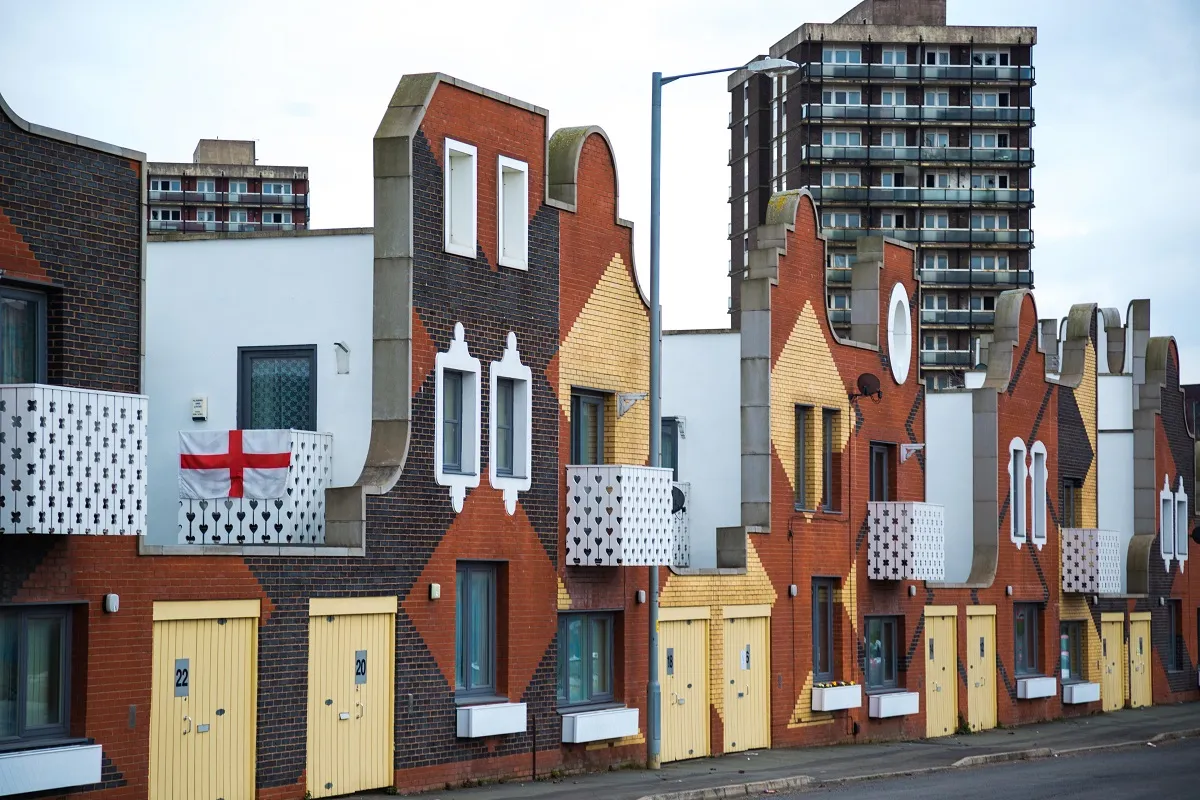 Photo: Manchester City Council, via omghcontent.affino.com
"We're looking at allotments completely differently now," says Councillor Emma Thompson, Manchester's Public Health lead. "They're not just nice-to-have amenities – they're health infrastructure."
The Seasonal Training Programme You Never Knew You Needed
What makes allotment fitness particularly clever is its natural periodisation – the way different seasons demand different types of physical activity. Spring brings intensive digging and planting (think high-intensity interval training), summer involves regular maintenance and harvesting (steady-state cardio with strength elements), autumn delivers heavy lifting and clearing (functional strength training), and winter provides planning and preparation phases (active recovery).
This natural variation prevents the overuse injuries common in repetitive gym routines while ensuring year-round engagement with physical activity.
Making It Work: Your Path to Plot Fitness
Not everyone can secure an allotment plot immediately, but the principles can be applied anywhere. Community gardens, shared growing spaces, and even ambitious container gardening on balconies can provide similar benefits.
Many areas now offer "plot sharing" arrangements where multiple families work a single allotment together. It's a way to access the space while sharing both the workload and the learning curve.
For those still stuck on waiting lists, volunteering at existing community gardens or helping elderly neighbours with their plots can provide access to the physical and mental benefits while building valuable skills.
The Future of Functional Fitness
As the evidence mounts, expect to see more integration between gardening and formal health initiatives. Some areas are already experimenting with "therapeutic horticulture" programmes for people recovering from surgery or dealing with chronic conditions.
The message is clear: in our increasingly artificial world, some of the best exercise might just involve getting your hands dirty and growing something useful. Your body gets stronger, your mind gets clearer, and at the end of it all, you've got something delicious for dinner.
Not many gym sessions can promise that kind of return on investment.