Singing Your Way to Sanity: The Choir Boom That's Got GPs Reaching for Songbooks Instead of Prescription Pads
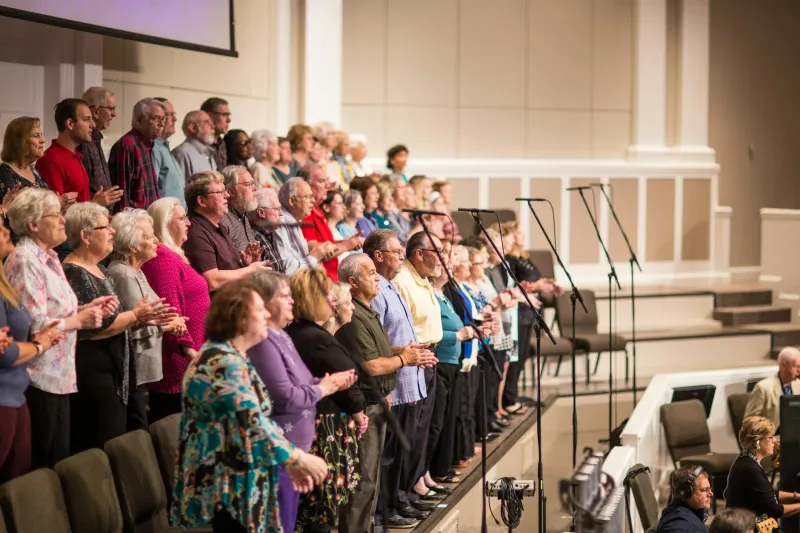
The Sound of Healing
In a draughty church hall in Stockport, something extraordinary happens every Thursday evening. Forty-three strangers gather to make music together, and in doing so, they're accidentally conducting one of the most effective mental health interventions available.
Welcome to Britain's choir revolution – a movement that's transforming how we think about community mental health support, one harmony at a time.
Margaret Thompson, 72, joined the Stockport Community Voices after her daughter noticed she'd barely left the house following her husband's death. "I can't carry a tune in a bucket," she laughs, "but somehow that doesn't matter here. I leave every session feeling like I could take on the world."
The Chemistry of Song
There's serious science behind Margaret's transformation. When we sing in groups, our bodies flood with oxytocin – the same hormone released during childbirth and intimate bonding. Simultaneously, cortisol levels plummet, breathing naturally regulates, and heart rates synchronise with fellow singers.
Dr. Daisy Fancourt from University College London has spent years studying choral health benefits. Her research tracking 1,000 choir members across Britain found remarkable results: "Regular choir participation showed the same mental health benefits as clinical therapy for mild to moderate depression. The social connection combined with controlled breathing creates a perfect storm of positive physiological changes."
 Photo: University College London, via c8.alamy.com
Prescription Harmonies
GPs are taking notice. Dr. Simon Walsh practices in Hebden Bridge, where the local choir has become his go-to referral for patients struggling with anxiety and isolation. "I've seen patients transform in ways that medication alone couldn't achieve," he explains. "There's something about the combination of music, breathing, and community that addresses multiple aspects of mental wellness simultaneously."
 Photo: Hebden Bridge, via tr-images.condecdn.net
The NHS's social prescribing framework now formally recognises group singing as an evidence-based intervention. Over 150 GP practices across England actively refer patients to local choirs, with many reporting reduced repeat appointments for anxiety-related concerns.
Beyond the Village Hall
Britain's choir renaissance spans every demographic imaginable. The Croydon Young Fathers' Choir meets Saturday mornings in a community centre, offering single dads a space to connect whilst their children play nearby. In Glasgow, the Harmony for Health choir specifically welcomes people living with dementia and their carers.
"We're seeing choirs pop up everywhere," notes Sarah Jenkins from the British Choral Society. "Workplace choirs, LGBT+ choirs, choirs for new mothers, even virtual choirs that continued through lockdown. The appetite for collective singing has exploded."
The Breathing Connection
One of choir singing's most immediate benefits lies in breath control. Dr. Rebecca Martinez, a respiratory therapist who runs singing workshops for NHS staff, explains: "Proper singing technique naturally teaches diaphragmatic breathing – exactly what we prescribe for anxiety management. Choir members learn this organically, without the clinical pressure of formal breathing exercises."
Participants often report that singing sessions provide their first experience of truly calm, controlled breathing in years. The focus required for group harmonies creates a natural mindfulness state, temporarily quieting anxious thoughts.
Community in Harmony
Perhaps most powerfully, choirs create instant community. Unlike many social activities, singing together requires minimal small talk – the music provides the connection.
James Mitchell, 45, joined Birmingham's Voices Together after struggling with social anxiety following redundancy. "I'd become completely isolated," he recalls. "The choir gave me a reason to leave the house and interact with people, but the pressure was off because we were all focused on the music rather than awkward conversations."
Research from Canterbury Christ Church University found that choir members develop social connections 60% faster than participants in other group activities. The shared vulnerability of singing creates rapid bonding and mutual support networks.
Breaking Down Barriers
Modern British choirs deliberately challenge traditional stereotypes. Many operate "no audition" policies, welcoming absolute beginners alongside experienced singers. Sessions often begin with vocal warm-ups designed to ease newcomer anxiety.
"The biggest barrier is people's fear that they 'can't sing,'" explains conductor Maria Santos, who leads three community choirs across London. "We spend the first few sessions proving that everyone can contribute meaningfully to group harmony, regardless of individual vocal ability."
The Ripple Effect
Choir benefits extend far beyond weekly rehearsals. Members report increased confidence in other life areas, improved sleep, and stronger family relationships. Many develop leadership skills through choir committees or performance organisation.
The social connections formed often become genuine friendships extending into daily life. WhatsApp groups buzz with mutual support, members organise coffee meetups, and some choirs become extended family networks providing practical help during difficult times.
Finding Your Voice
Interested in joining the revolution? Most community choirs welcome new members year-round, particularly after September and January. The British Choral Society website lists groups nationwide, from traditional church choirs to contemporary pop harmony groups.
Many choirs offer taster sessions or "come and try" evenings specifically designed for nervous newcomers. Most charge modest weekly fees (typically £5-15), making them accessible alternatives to expensive therapy or fitness classes.
The Future Sounds Bright
As Britain continues grappling with mental health challenges, community choirs offer something beautifully simple: proof that some of the most effective treatments come disguised as pure joy.
With growing research evidence and increasing NHS recognition, don't be surprised if your next GP appointment ends with a recommendation to find your local choir. After all, the best prescriptions often come without side effects – just the occasional urge to burst into song.