Windowsill Warriors: How Britain's Flat Dwellers Are Beating the Allotment Waiting Game
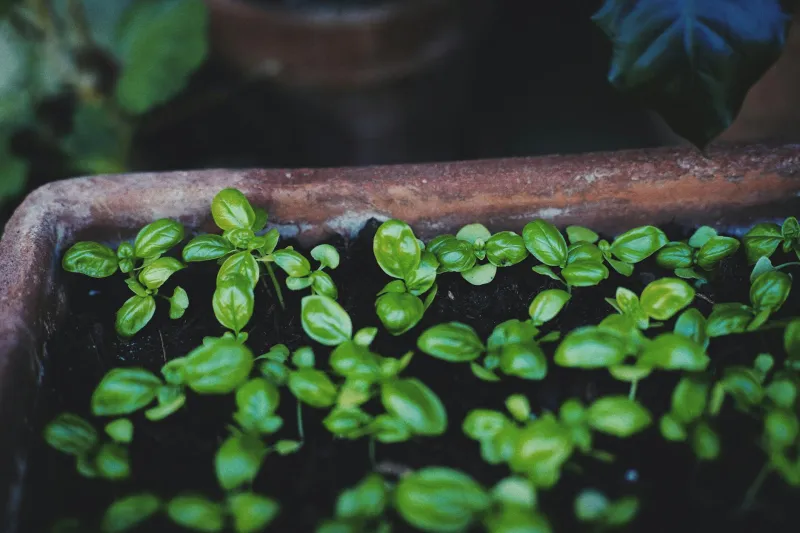
The Great British Growing Revolution Is Happening in Very Small Places
Forget rolling acres and potting sheds — Britain's most exciting agricultural revolution is happening on balconies barely big enough for a bistro table. While council allotment waiting lists stretch into the 2030s (yes, really), a new breed of urban growers is proving you don't need a plot to grow your own paradise.
Take Sarah Chen from her third-floor Hackney flat. Two years ago, her balcony was home to a broken chair and some guilt-inducing exercise equipment. Today, it's a thriving micro-farm producing enough salad leaves, herbs, and cherry tomatoes to slash her weekly grocery bill by £15. "I started with one sad basil plant from Tesco," she laughs. "Now I'm growing things I can't even pronounce."
The Mental Health Goldmine Hidden in Your Herb Pots
While Sarah's saving money, she's stumbled onto something far more valuable. Research from the University of Sheffield reveals that people who engage in regular container gardening report 40% lower stress levels and significantly improved mood compared to non-gardeners. The act of nurturing plants triggers the same neural pathways associated with caring for children or pets — flooding the brain with feel-good chemicals.
 Photo: University of Sheffield, via www.timeshighereducation.com
"There's something deeply therapeutic about getting your hands dirty, even if it's just in a window box," explains Dr. James Morton, who studies horticultural therapy at RHS Wisley. "Urban dwellers often feel disconnected from natural cycles. Growing food reconnects you to seasons, to life cycles, to something bigger than yourself."
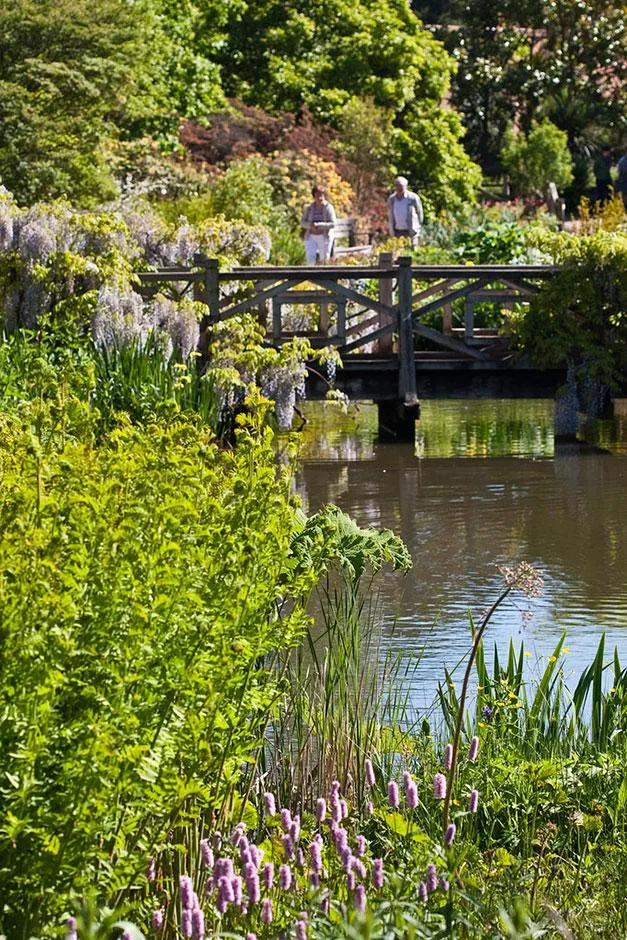 Photo: RHS Wisley, via www.rhs.org.uk
The benefits go beyond the psychological. Container gardening requires gentle, repetitive movements that improve dexterity and hand strength — particularly valuable for older adults. The vitamin D boost from tending outdoor plants supports bone health and immune function, while the fresh air and light exposure help regulate sleep patterns.
From Fire Escapes to Rooftop Farms: Britain's Most Creative Growers
Across the country, space-starved Brits are getting wonderfully inventive. In Edinburgh, retired teacher Margaret Thomson has transformed her tenement building's communal stairwell into a vertical herb garden, with neighbours contributing to a "living spice rack" that everyone shares. "We've got everything from Scottish thyme to Pakistani coriander," she beams. "It's brought our building together in ways I never expected."
Meanwhile, in Bristol, twenty-something flatmates Tom and Jake have turned their shared roof access into what they cheekily call "Penthouse Produce." Using recycled containers and a clever pulley system for watering, they're growing enough vegetables to supply their weekly roasts. "We calculated we're saving about £200 a year, plus we know exactly where our food comes from," says Tom.
The creativity extends to the smallest spaces. London-based food blogger Priya Patel has mastered the art of "succession planting" on her kitchen windowsill — sowing new lettuce seeds every two weeks to ensure a constant supply of fresh leaves. Her Instagram account, @WindowsillWins, now has 50,000 followers eager to learn her space-maximising tricks.
The Science of Small-Space Success
Container growing isn't just about making do — it's often superior to traditional gardening. Plants in containers can be positioned for optimal light, protected from pests, and given precisely the nutrients they need. The controlled environment means higher yields per square foot than traditional allotments.
Nutritionist Dr. Emma Roberts from King's College London points out another advantage: "When you grow your own food, you tend to eat more vegetables overall. People become more adventurous, trying new varieties they'd never buy in shops. Plus, vegetables eaten within hours of picking retain more vitamins than supermarket produce that's travelled hundreds of miles."
Your Starter Guide to Balcony Brilliance
Ready to join the windowsill warriors? Start small and smart. Herbs like basil, coriander, and parsley thrive in small pots and deliver the biggest flavour impact. For vegetables, cherry tomatoes, salad leaves, and radishes offer quick wins for beginners.
Container choice matters more than you'd think. Drainage is crucial — waterlogged roots kill more plants than drought. Old yoghurt pots work fine if you poke holes in the bottom, but proper plant pots with saucers prevent water damage to windowsills.
Light is your limiting factor, not space. Most edible plants need at least six hours of direct sunlight daily. South-facing windows or balconies are ideal, but even east or west-facing spots can work with the right plant choices.
The Future Is Growing Upwards
As housing costs soar and green space becomes increasingly precious, Britain's micro-growing movement shows no signs of slowing. Community groups are forming around shared growing spaces, councils are relaxing rules around balcony gardens, and even some landlords are embracing the trend as a selling point.
"We're seeing a fundamental shift in how people think about food production," observes urban planning expert Dr. Lisa Chen from Manchester University. "The next generation won't wait for an allotment. They're creating abundance wherever they are."
Perhaps most remarkably, these small-space growers report feeling more connected to their communities, their food, and their own wellbeing. In a world that often feels overwhelming, there's something profoundly grounding about nurturing life in a pot on your windowsill.
The allotment waiting list might be ten years long, but the revolution is happening right now — one balcony, one windowsill, one determined flat dweller at a time.