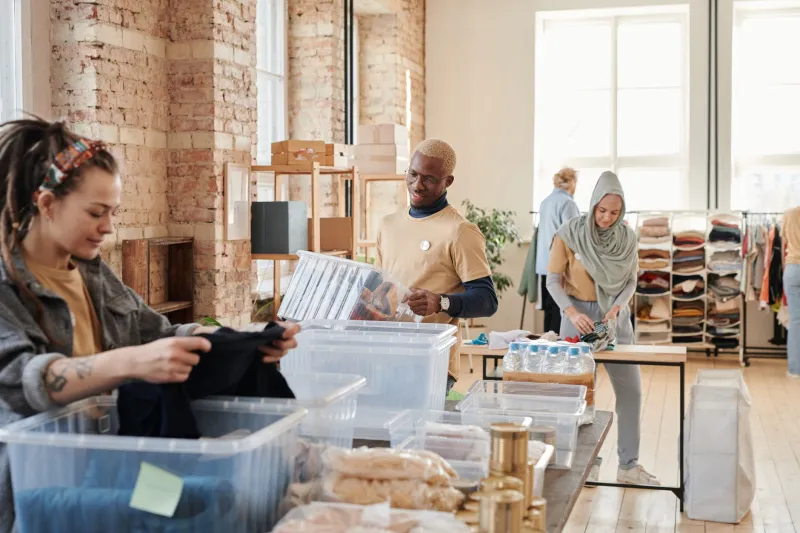
Chop, Chat, Change: The Community Kitchen Revolution That's Cooking Up Better Health Across Britain
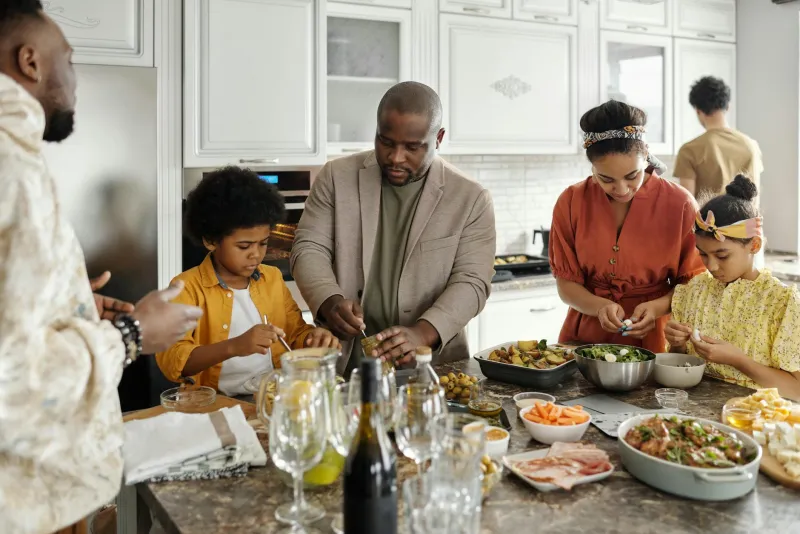
The Recipe for Connection
Forget the endless allotment waiting lists and overcrowded community centres. Britain's latest wellness phenomenon is bubbling away in the most unexpected places: community kitchens that are transforming lives one shared meal at a time.
From a converted Methodist chapel in Dewsbury to a former newsagent's in Tottenham, these collaborative cooking spaces are quietly becoming the NHS's secret weapon against some of our most pressing health challenges. And the best part? You don't need to know a spatula from a slotted spoon to join the revolution.
More Than Just a Meal
Sarah Jenkins, 67, from Cardiff, stumbled into her local community kitchen after her husband passed away last year. "I'd been living on ready meals and feeling utterly invisible," she explains. "Six months later, I'm teaching teenagers how to make proper Welsh cakes and have a diary fuller than when I was working."
Sarah's transformation isn't unique. Research from the University of Westminster shows that participants in community cooking programmes report a 40% reduction in feelings of isolation and a 35% improvement in their overall diet quality within just three months.
The Science Behind the Sizzle
Dr. Emma Richardson, who leads the Community Nutrition Research Group at King's College London, explains why these spaces work so brilliantly: "Cooking together triggers multiple positive health behaviours simultaneously. You're learning practical skills, socialising naturally, engaging in light physical activity, and creating something meaningful."
 Photo: King's College London, via roarnews.co.uk
The evidence is compelling. A recent study tracking 500 participants across 20 community kitchens in England found significant improvements in mental wellbeing scores, with many participants reporting better sleep, reduced anxiety, and increased confidence in managing their own health.
Prescribed Cooking
The NHS is taking notice. Dr. James Morrison, a GP in Leeds who regularly refers patients to the local Roundhay Community Kitchen, sees remarkable results: "I've watched patients come off antidepressants, lose weight naturally, and develop genuine friendships. It's social prescribing at its most effective."
The model is spreading rapidly. NHS England's social prescribing framework now formally recognises community cooking as an evidence-based intervention, with over 200 GP practices across the country actively referring patients to local kitchen programmes.
Beyond the Postcode Lottery
What makes community kitchens particularly exciting is their accessibility. Unlike allotments with their notorious waiting lists or expensive gym memberships, most community kitchens operate on a pay-what-you-can model.
The Hackney Community Kitchen, housed in a former betting shop, charges £3 per session but never turns anyone away. "We've had everyone from tech executives to refugees cooking side by side," says coordinator Maria Santos. "That diversity is what makes the magic happen."
The Ripple Effect
The benefits extend far beyond individual participants. Communities hosting these kitchens report increased social cohesion, reduced food waste, and stronger local networks. The Brixton Community Kitchen estimates they've diverted over 2 tonnes of surplus food from local shops and markets in the past year alone.
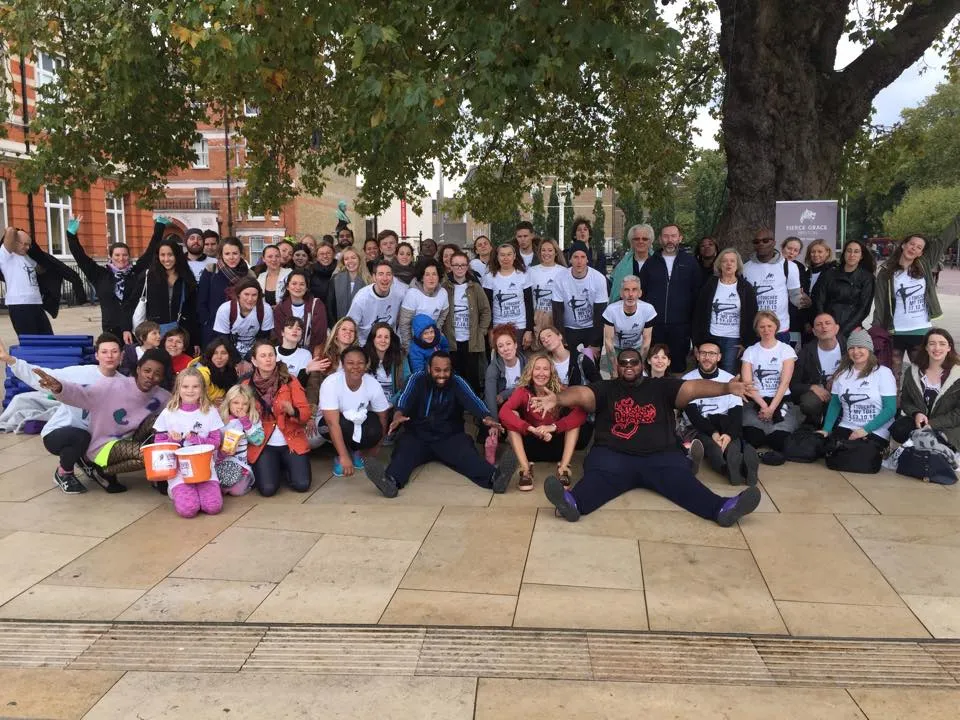 Photo: Brixton Community Kitchen, via brixtonsoupkitchen.com
Participants often become advocates for healthy eating in their own families and neighbourhoods. Tom Fletcher, a 34-year-old father from Manchester, credits his local community kitchen with transforming his family's relationship with food: "My kids now ask for vegetables. I never thought I'd see the day."
Getting Started
Interested in joining the movement? Most community kitchens welcome drop-ins, though calling ahead is always wise. The Community Kitchen Network website lists active programmes across the UK, from the Orkney Islands to the Isles of Scilly.
Many sessions focus on specific themes – budget cooking, plant-based meals, or traditional regional dishes. Some partner with local food banks, while others emphasise cooking skills for people with specific health conditions like diabetes or heart disease.
The Future on Your Plate
As Britain grapples with rising mental health challenges and nutrition-related diseases, community kitchens offer something beautifully simple: proof that the best medicine often comes from the most human experiences.
With government backing growing and evidence mounting, don't be surprised if your next GP appointment ends with a prescription for chopping vegetables rather than swallowing tablets. Sometimes the most revolutionary health interventions are hiding in plain sight – or in this case, in the converted shop down your street where strangers become friends over a shared love of proper home cooking.