The Great British Power Nap: Why Midday Snoozes Are Making a Corporate Comeback
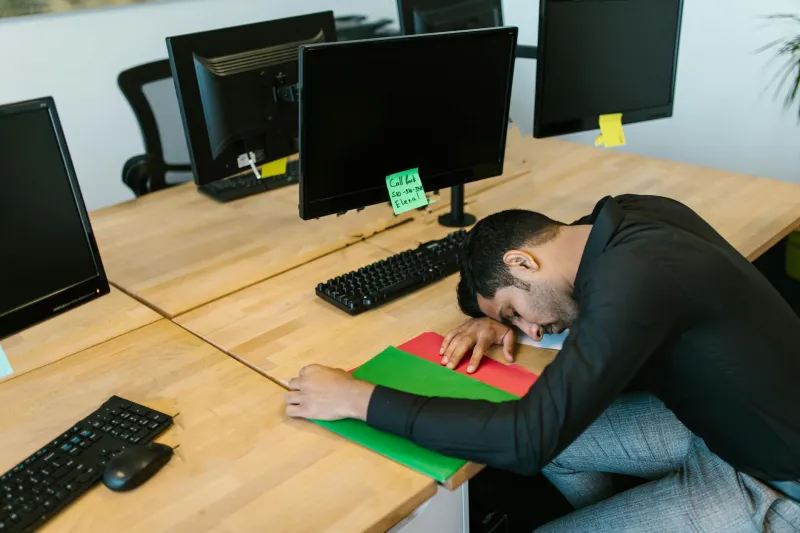
The Snooze Revolution That's Waking Up British Business
Remember when catching someone having a kip at work was grounds for a disciplinary? Well, times have changed faster than you can count sheep. Across Britain, a quiet revolution is happening in office spaces from Glasgow to Brighton – and it involves deliberately falling asleep on company time.
The power nap, once relegated to kindergartens and Spanish siestas, is making a serious comeback in British workplaces. And this isn't just trendy Silicon Valley nonsense crossing the Atlantic – it's backed by solid science that's got even the most buttoned-up bosses reconsidering their stance on workplace shut-eye.
The Science Behind Your Best 20 Minutes
Here's where things get fascinating: researchers have pinpointed the sweet spot for workplace napping at exactly 10-20 minutes. Any longer, and you'll wake up groggier than a Sunday morning after a night out in Newcastle. Any shorter, and you're basically just having an expensive blink.
Dr Sarah Mitchell from Birmingham's Sleep Research Centre explains it brilliantly: "During those crucial 20 minutes, your brain clears out metabolic waste, consolidates memories, and essentially gives your neural networks a proper spring clean. It's like defragging your mental hard drive."
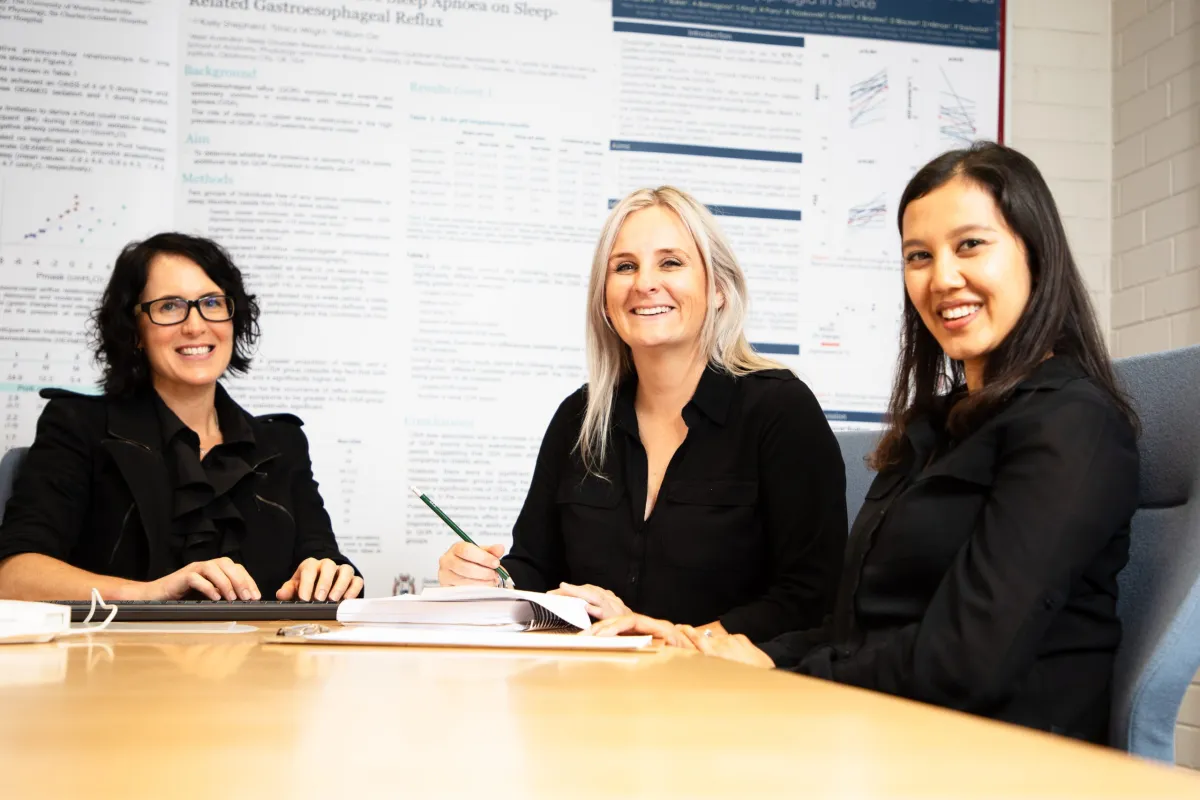 Photo: Birmingham's Sleep Research Centre, via centreforsleepscience.com
The magic happens during what sleep scientists call Stage 2 non-REM sleep – deep enough to be restorative, but shallow enough to avoid the dreaded sleep inertia that leaves you feeling like you've been hit by a double-decker bus.
Britain's Napping Pioneers
So who's leading this drowsy charge? Manchester-based software company Pixel Pioneers installed their first nap pod in 2023 after productivity metrics showed their afternoon slump was costing them serious money. Six months later, they've got three pods and a waiting list.
"Our developers were hitting walls every day around 2 PM," says HR Director James Thompson. "Now they queue up for their 'power-down time' like it's the office coffee machine. Afternoon bug fixes have improved by 40%, and sick days are down 25%."
Down in London, accountancy firm Number Crunchers has converted a quiet meeting room into what they cheekily call "The Snooze Lounge." Complete with dimmed lighting, white noise machines, and the kind of reclinable chairs that cost more than most people's monthly rent.
The Physiology of Feeling Fantastic
But what's actually happening inside your body during these strategic snoozes? Quite a lot, as it turns out. Your cortisol levels – those pesky stress hormones that make you feel like you're constantly being chased by invisible deadlines – drop significantly during even brief rest periods.
Meanwhile, your heart rate settles into a more sustainable rhythm, your blood pressure eases off, and your immune system gets a chance to do some essential maintenance work. It's like giving your body permission to shift from fifth gear into neutral for a precious few minutes.
Perhaps most importantly for Britain's overworked workforce, these micro-sleeps have been shown to dramatically improve decision-making capabilities. That 3 PM choice between biscuits or fruit suddenly becomes much clearer when your brain isn't running on fumes.
DIY Napping: Making It Work Without the Pod
Not everyone works for a progressive company with dedicated nap facilities – and that's fine. The beauty of power napping lies in its accessibility. Here's how to master the art of the strategic workplace snooze, even in less-than-ideal circumstances.
Find your quiet corner – whether that's your car in the company car park, a unused meeting room, or even just putting your head down at your desk with a "Do Not Disturb" sign. The key is consistency and boundaries.
Timing is everything. Set that phone alarm for 20 minutes maximum, and stick to it religiously. Your future, more alert self will thank you for not sliding into the deep sleep territory that leaves you feeling worse than when you started.
Create a mini ritual: dim the lights if possible, loosen that tie or kick off those heels, and give yourself permission to properly switch off. This isn't laziness – it's strategic self-care.
The Cultural Shift That's Long Overdue
What's particularly exciting about this trend is how it challenges some deeply ingrained British workplace attitudes. We're a nation that's historically prided itself on powering through, on keeping calm and carrying on regardless of exhaustion levels.
But the evidence is mounting that this approach might be doing us more harm than good. Countries like Japan have long recognised the productivity benefits of workplace napping (they even have a word for it – "inemuri"), and now British businesses are finally catching on.
The shift represents something bigger than just workplace wellness – it's about recognising that human beings aren't machines, and that sustainable productivity requires periods of genuine rest, not just different types of busyness.
Your Next Steps to Better Afternoons
Whether your workplace embraces the nap revolution or you're flying solo on this one, the message is clear: those 20 minutes of midday rest could be the difference between surviving your afternoon and actually thriving through it.
Start small, stay consistent, and don't let outdated attitudes about workplace rest hold you back from feeling your absolute best. After all, in a world that never seems to switch off, maybe the most radical thing you can do is occasionally switch yourself off – even if it's just for twenty blissful minutes.