Dirt Therapy: Why Britain's Gardening Boom Is Secretly Healing Our Minds
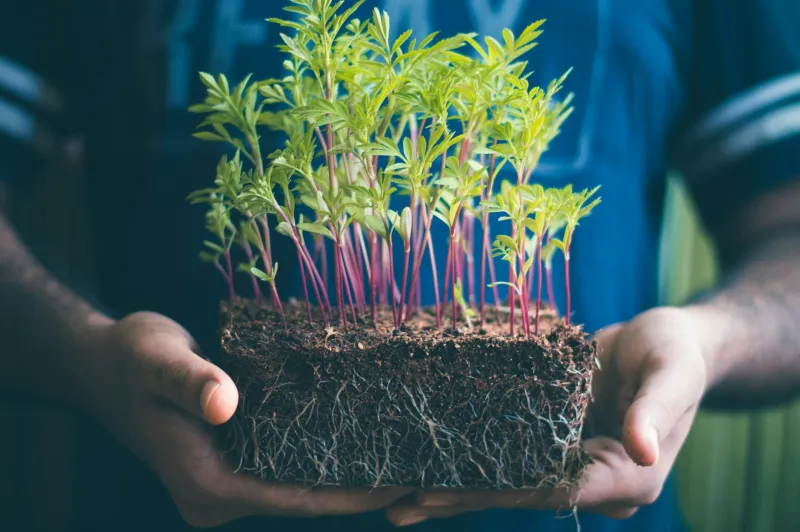
Dirt Therapy: Why Britain's Gardening Boom Is Secretly Healing Our Minds
There's something quietly revolutionary happening in Britain's back gardens, community plots, and even windowsills. Whilst the rest of us were doom-scrolling through another anxiety-inducing news cycle, millions of Brits were already onto something: digging in dirt isn't just about growing spuds — it's about growing happiness.
Allotment waiting lists across the UK have swelled to record levels, with some councils reporting decade-long queues. But here's the kicker: researchers are finally catching up with what gardeners have whispered about for generations. Growing your own isn't just satisfying — it's genuinely therapeutic.
The Science Behind Getting Your Hands Dirty
Turns out, there's proper science backing up what your nan always knew. When you plunge your hands into soil, you're not just connecting with nature — you're literally rewiring your brain.
Dr Sarah Chen, a neuroscientist at King's College London, has been studying what happens when stressed minds meet muddy fingers. "We're seeing measurable changes in cortisol levels within just 30 minutes of gardening," she explains. "But more fascinating is what we're observing in brain scans. The areas associated with rumination — that endless worry loop — actually quiet down."
The secret weapon? A harmless bacteria called Mycobacterium vaccae, naturally present in soil. When we breathe it in or absorb it through small cuts on our hands, it triggers the release of serotonin — the same feel-good chemical targeted by antidepressants. It's like nature's own mood booster, hidden in every handful of earth.
From Hospital Beds to Raised Beds
The NHS has been quietly experimenting with horticultural therapy for years, but now it's gaining serious momentum. At Bethlem Royal Hospital in South London, patients tend to vegetables alongside their traditional treatments. The results? Faster recovery times and significantly reduced medication dependence.
"We've got patients who haven't spoken in weeks suddenly chatting about their courgettes," laughs occupational therapist Mark Williams. "There's something about nurturing a living thing that seems to unlock parts of ourselves we'd forgotten about."
Similar programmes are sprouting up across the country. In Manchester, the Groundwork Trust has transformed derelict urban spaces into therapeutic gardens. In Cornwall, care homes are installing raised beds specifically designed for residents with dementia, finding that familiar gardening motions can spark memories and reduce agitation.
The Community Connection
But perhaps the most powerful aspect of Britain's gardening revolution isn't individual — it's collective. Allotments and community gardens are becoming unofficial mental health hubs, where conversations flow as freely as the compost tea.
"I started coming here after my redundancy," says Janet from Birmingham, tending to her plot at Kings Heath Community Garden. "Thought I'd grow some veg, save a few quid. Didn't expect to find my tribe." The social connections formed over shared seeds and swapped growing tips are proving as therapeutic as the gardening itself.
Research from the University of Westminster found that community gardeners reported 40% less stress and significantly stronger social connections compared to gym-goers. The magic ingredient? Shared purpose combined with gentle, non-competitive activity.
Starting Small, Thinking Big
The brilliant news? You don't need acres of land to join Britain's dirt therapy revolution. Even a windowsill herb garden can trigger those same stress-busting benefits.
For the absolute beginner:
- Start with hardy herbs like basil, mint, or chives on a sunny windowsill
- Try microgreens — they're virtually foolproof and ready in days
- Consider a small indoor tomato plant (cherry varieties work brilliantly)
Ready to level up?
- Join a local community garden (search via the National Society of Allotment and Leisure Gardeners)
- Try container gardening on a balcony or patio
- Look into local 'guerrilla gardening' groups transforming neglected spaces
Going all-in:
- Get on that allotment waiting list (seriously, do it today)
- Consider sharing a plot with friends or neighbours
- Explore therapeutic gardening courses through local colleges
The Unexpected Mental Health Benefits
Beyond the obvious stress relief, gardeners report a fascinating array of psychological benefits. There's the mindfulness aspect — it's impossible to worry about tomorrow's meeting when you're focused on today's seedlings. The patience gardening demands naturally trains us out of our instant-gratification mindset.
Then there's the profound satisfaction of eating something you've grown yourself. "It changes your entire relationship with food," explains nutritional therapist Dr Emma Foster. "Suddenly, you're not just consuming — you're connected to the whole process. That connection is deeply nourishing, both physically and emotionally."
The Prescription That Doesn't Come in a Bottle
As Britain grapples with a mental health crisis — NHS waiting times for psychological therapies stretch to months — gardening offers something revolutionary: an accessible, medication-free intervention that actually works.
Some forward-thinking GPs are already writing 'green prescriptions', directing patients to local gardening projects rather than exclusively to pharmaceutical solutions. It's not about replacing traditional treatments, but about recognising that sometimes the most powerful medicine doesn't come from a pharmacy.
"We're essentially prescribing hope," says Dr James Peterson, a GP in Devon who regularly refers patients to local allotment schemes. "When someone plants a seed, they're automatically investing in the future. That act alone can be transformative for someone struggling with depression."
As allotment waiting lists continue to grow and windowsill gardens flourish across Britain, we might just be witnessing the quiet emergence of a mental health revolution. One that smells like fresh earth, tastes like homegrown tomatoes, and feels suspiciously like joy.
So go on — get your hands dirty. Your brain will thank you for it.