All Aboard the Wellness Express: The Commute Habit That's Quietly Transforming British Health
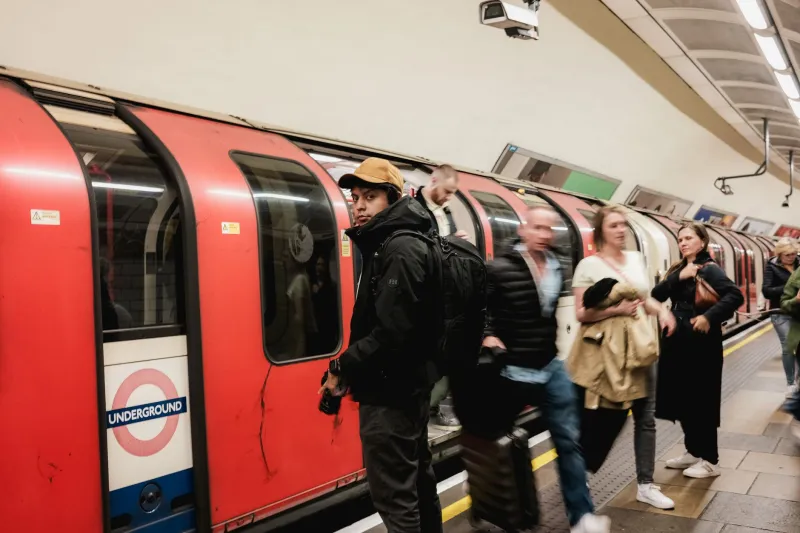
For most of us, the commute is something to survive rather than savour. You squeeze onto the Central line, someone's elbow is in your ribs, and you spend forty minutes doomscrolling through news that makes you feel vaguely terrible before you've even reached your desk. Sound familiar?
But here's the thing: that daily journey — however grim it might feel — is actually a golden window of opportunity that a growing cohort of British commuters are starting to take very seriously indeed.
The Hidden Workout Nobody Counted
Let's start with the numbers, because they're genuinely surprising. Research from the University of Leeds found that commuters who walk to public transport stops accumulate an average of 19 minutes of moderate physical activity per day — nearly half the NHS recommended daily target of 30 minutes — without ever setting foot in a gym. Factor in platform pacing, stair climbing at stations, and the brisk march between connections, and many regular commuters are clocking meaningful movement totals without realising it.
The key word here is intentional. When commuters become aware of this hidden activity and start making small, deliberate choices — taking the stairs at Waterloo, walking the extra stop before boarding, standing rather than sitting on the bus — the health gains become measurably greater. A 2023 study published in the British Journal of Sports Medicine found that people who consciously incorporated micro-movements into their commutes showed improved cardiovascular markers comparable to those who completed structured 20-minute exercise sessions three times a week.
That's not nothing. That's actually quite a lot.
The Rise of the Commuter Stretcher
Walk through any major London terminus at rush hour and you might start noticing something new. On the platforms at King's Cross, a handful of people are doing quiet calf raises while they wait. On the overground to Hackney, someone near the doors is doing slow, deliberate shoulder rolls. At Manchester Piccadilly, a woman in a blazer is running through what looks suspiciously like a standing yoga sequence between trains.
This isn't a fringe movement. Online communities dedicated to 'commute wellness' have exploded in membership over the past two years, with forums on Reddit and dedicated Facebook groups sharing tips on everything from desk-ready stretches you can do on the Northern line to breathing techniques that work even in a packed carriage.
Sarah, a 34-year-old marketing manager who commutes from Hertfordshire to central London five days a week, says the shift in her approach has been life-changing. "I used to arrive at work already stressed," she explains. "Now I use the train journey to do box breathing — four counts in, hold for four, out for four — and I get off feeling genuinely calm. My colleagues have noticed. My manager has noticed. I've noticed."
Your Brain on the Bus
It's not just physical health that benefits. Behavioural scientists have been increasingly interested in what happens to our mental state when we reclaim commute time with purpose.
Dr. Emma Norris, a health psychology researcher at University College London, has studied the relationship between commuting and wellbeing for several years. Her work suggests that the problem with most commutes isn't the journey itself — it's the passive, low-stimulus scrolling that fills it. "Our brains aren't designed to consume large amounts of negative or neutral information without any sense of agency or reward," she explains. "When you replace passive scrolling with something intentional — even something as simple as focused breathing or observing your surroundings — you activate entirely different neural pathways. You arrive somewhere rather than just ending up there."
This idea of arrival — both physical and psychological — is central to what wellness-conscious commuters describe. The commute becomes a transition ritual, a buffer between home-self and work-self, rather than a dead zone to endure.
Small Shifts, Big Returns
So what does a genuinely health-positive commute actually look like? It doesn't require lycra, a podcast subscription, or any equipment whatsoever. Here are the micro-habits that commuters and researchers alike are championing:
Standing over sitting. On any bus, tram, or train journey, standing engages your core, improves posture, and burns more calories than sitting. If you've got a longer journey, alternate.
Walking the gap. If you're getting off at a familiar stop, try alighting one stop early and walking the remainder. Even ten extra minutes of brisk walking daily has been linked to reduced risk of cardiovascular disease.
Breathwork in plain sight. Box breathing, 4-7-8 breathing, or even just slow nasal inhalation — these techniques are invisible to fellow passengers and profoundly effective at reducing cortisol levels before a working day begins.
The phone-free window. Some commuters are experimenting with designating the first or last ten minutes of their journey as screen-free time — using it to observe, reflect, or simply exist. Early reports from these self-experimenters suggest it meaningfully reduces morning anxiety.
Platform movement. Waiting for a delayed train? Rather than slumping against a pillar, use the time to stretch your hamstrings, roll your ankles, or simply walk the length of the platform. You'll feel warmer, more alert, and significantly less annoyed about the delay.
The Commute as a Health Equaliser
There's something quietly democratic about all of this that feels particularly relevant in Britain right now, when gym memberships remain out of reach for many households and the cost-of-living squeeze is very real.
The commute costs you nothing extra. You're already doing it. You're already in transit. The only thing that changes is your relationship to that time — and the health returns on that reframing can be substantial.
For the millions of Brits who feel too time-poor, too tired, or too stretched to prioritise their wellbeing, the commute might just be the lowest-barrier entry point into a healthier daily life. No membership required. No kit needed. Just you, your journey, and a slightly different way of thinking about both.
The train's already moving. You might as well make the most of the ride.