Step Into Productivity: The Under-Desk Walking Revolution That's Got British Workers Moving Without Thinking
The Slow Lane to Better Health
While Britain debates standing desks and ergonomic chairs, a quieter revolution is happening beneath office desks across the country. Enter the walking pad: a slim, silent treadmill that's turning sedentary workers into accidental athletes, one Zoom call at a time.
Jenny Morrison, a marketing manager from Edinburgh, clocks up to 15,000 steps daily without setting foot outside her home office. "I started using a walking pad during lockdown when my usual gym routine disappeared," she explains. "Now I can't imagine working any other way. I'm more focused, less fidgety, and my back pain has completely vanished."
The NEAT Science
The magic lies in something scientists call NEAT – Non-Exercise Activity Thermogenesis. This fancy term describes all the calories we burn through everyday movements that aren't formal exercise. Dr. Sarah Thompson from the University of Bath's Department of Health explains: "NEAT can account for up to 50% of our daily energy expenditure. The difference between sitting still and gentle walking can be transformational for metabolic health."
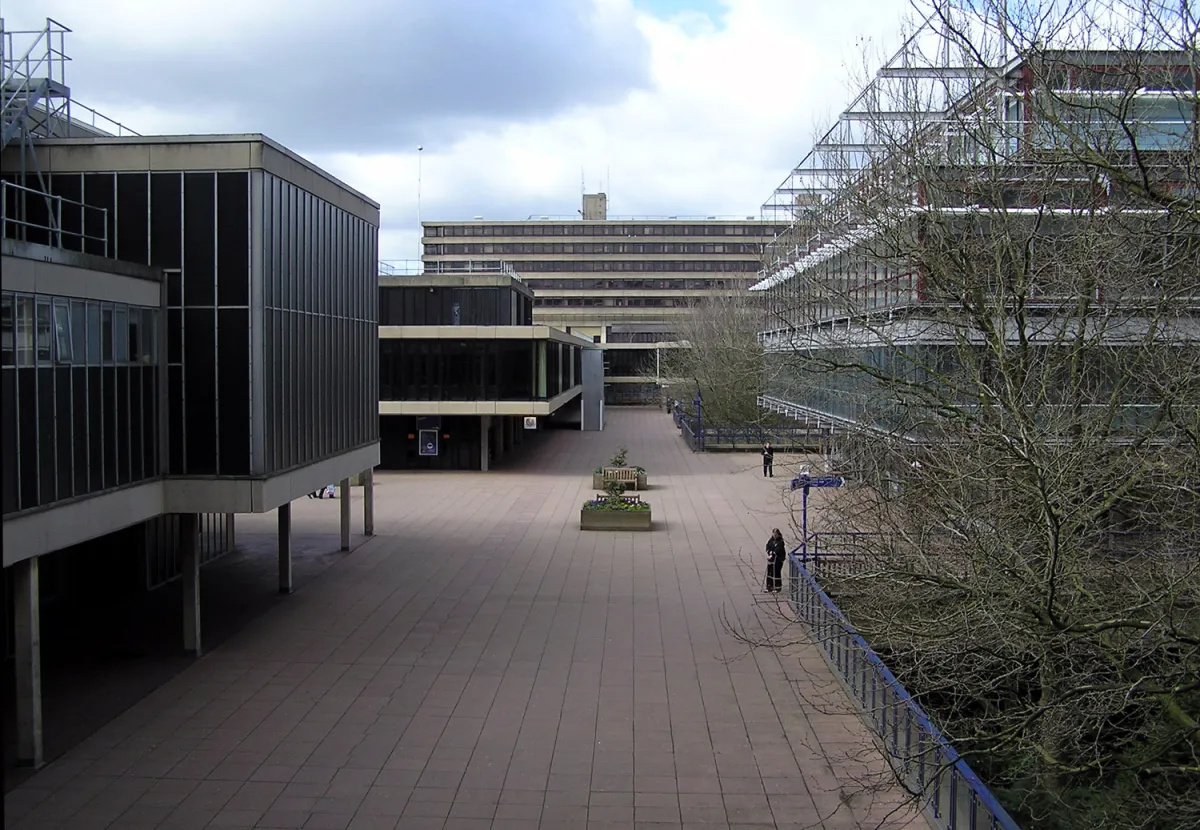 Photo: University of Bath, via ukeducationguide.com
Research from Leeds Beckett University tracking 200 office workers found that those using under-desk walking devices showed remarkable improvements within just six weeks: 23% better glucose regulation, 18% improvement in cardiovascular markers, and significantly better mood scores compared to their seated colleagues.
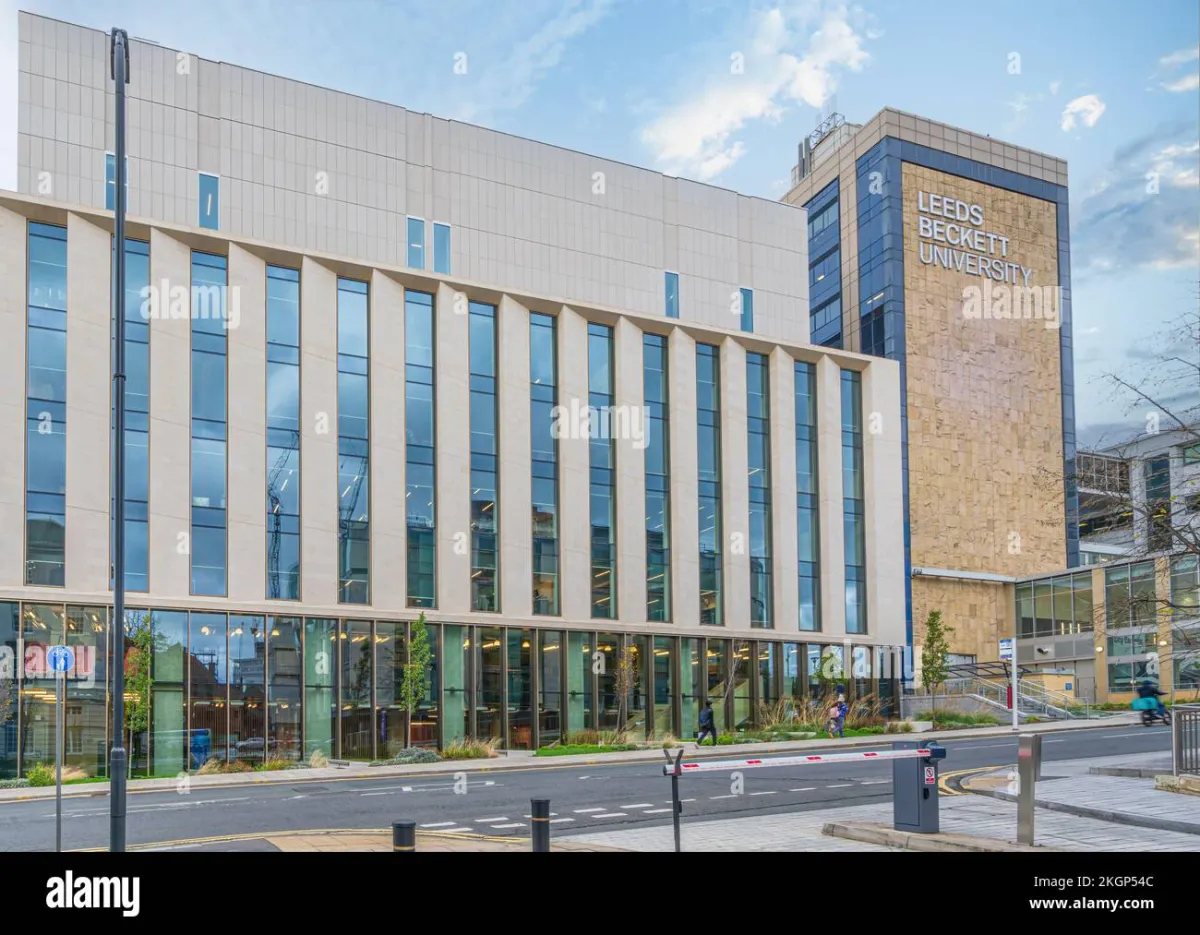 Photo: Leeds Beckett University, via c8.alamy.com
Britain's Sitting Crisis
The timing couldn't be better. Public Health England data reveals that the average British office worker spends over 9 hours daily seated – more time than we spend sleeping. This prolonged sitting is linked to increased risks of heart disease, diabetes, and even certain cancers.
"We've created work environments that are fundamentally at odds with human physiology," warns Dr. Michael Davies, an occupational health specialist who advises several FTSE 100 companies. "Our bodies are designed for movement, yet we've engineered it out of the modern workplace."
The Walking Pad Pioneers
Tom Richardson, an accountant from Bristol, was sceptical when his company introduced walking pad trials. "I thought it would be distracting, that I wouldn't be able to concentrate," he admits. "The opposite happened. I found myself more alert during long spreadsheet sessions, and my afternoon energy crashes disappeared completely."
The key, users discover, is the pace. Most effective walking pad sessions happen at speeds between 1-2 mph – fast enough to engage muscles and circulation, slow enough to maintain focus on complex tasks.
Workplace Wellness Revolution
Forward-thinking British employers are taking notice. Deloitte's Manchester office recently invested in walking pads for their consulting teams after a pilot programme showed 30% fewer sick days and improved productivity metrics. "It's not about forcing exercise," explains HR director Claire Watson. "It's about making healthy movement effortless and integrated into the working day."
Similar programmes are emerging across sectors. The BBC's MediaCity offices in Salford now offer walking pad bookings, while several NHS trusts are trialling them for administrative staff who spend long hours at computers.
Beyond the Office
The trend extends beyond traditional workplaces. Home-based workers, particularly those who embraced remote work during the pandemic, represent the fastest-growing segment of walking pad users.
Lucy Chen, a freelance graphic designer from London, invested in a walking pad after realising she was barely leaving her flat some days. "It's transformed my work-from-home experience. I'm walking 8-10 miles daily just through normal work activities. My fitness tracker thinks I'm training for a marathon."
The Mental Health Boost
Perhaps most surprisingly, users report significant mental health benefits. The gentle rhythm of walking appears to enhance creative thinking and reduce work-related stress.
Dr. Rachel Green, a cognitive psychologist at Cambridge University, explains the mechanism: "Rhythmic, low-intensity movement activates the brain's default mode network – the same neural pathways associated with insight and creative problem-solving. Many users report their best ideas come during walking meetings."
Making It Work
Starting a walking pad routine requires minimal adjustment. Most users begin with 10-15 minute sessions during routine tasks like email checking or phone calls, gradually building up tolerance.
The technology has evolved rapidly. Modern walking pads are whisper-quiet, fold flat for storage, and connect to smartphones for activity tracking. Prices range from £200 for basic models to £800 for premium versions, making them accessible alternatives to gym memberships or expensive standing desks.
The Ripple Effect
As walking pad adoption grows, it's creating cultural shifts in workplace expectations. Video calls where participants are gently walking are becoming normalised. Some companies report improved team dynamics as the shared experience of "walking meetings" breaks down hierarchical barriers.
A Step in the Right Direction
The walking pad phenomenon represents something larger: a recognition that transformative health changes don't require dramatic lifestyle overhauls. Sometimes the most effective interventions are the ones that slip seamlessly into existing routines.
As Britain continues grappling with rising obesity rates and mental health challenges, the humble walking pad offers hope that solutions might be simpler than we imagined. Not every health revolution needs to be loud – sometimes it just needs to be a gentle step in the right direction.