Surf, Sand and Serotonin: The Coastal NHS Revolution Prescribing Waves Over Tablets

When Your Doctor Says 'Take Two Beaches and Call Me in the Morning'
Dr. Helen Cartwright's prescription pad looks rather different from most. Instead of antibiotics or antidepressants, her recent recommendations include: "30 minutes at Porthminster Beach, three times weekly" and "Daily sunrise walks along the South West Coast Path." Far from being alternative medicine gone rogue, Dr. Cartwright is part of a groundbreaking movement that's seeing NHS practices across coastal Britain formally prescribe time by the sea.
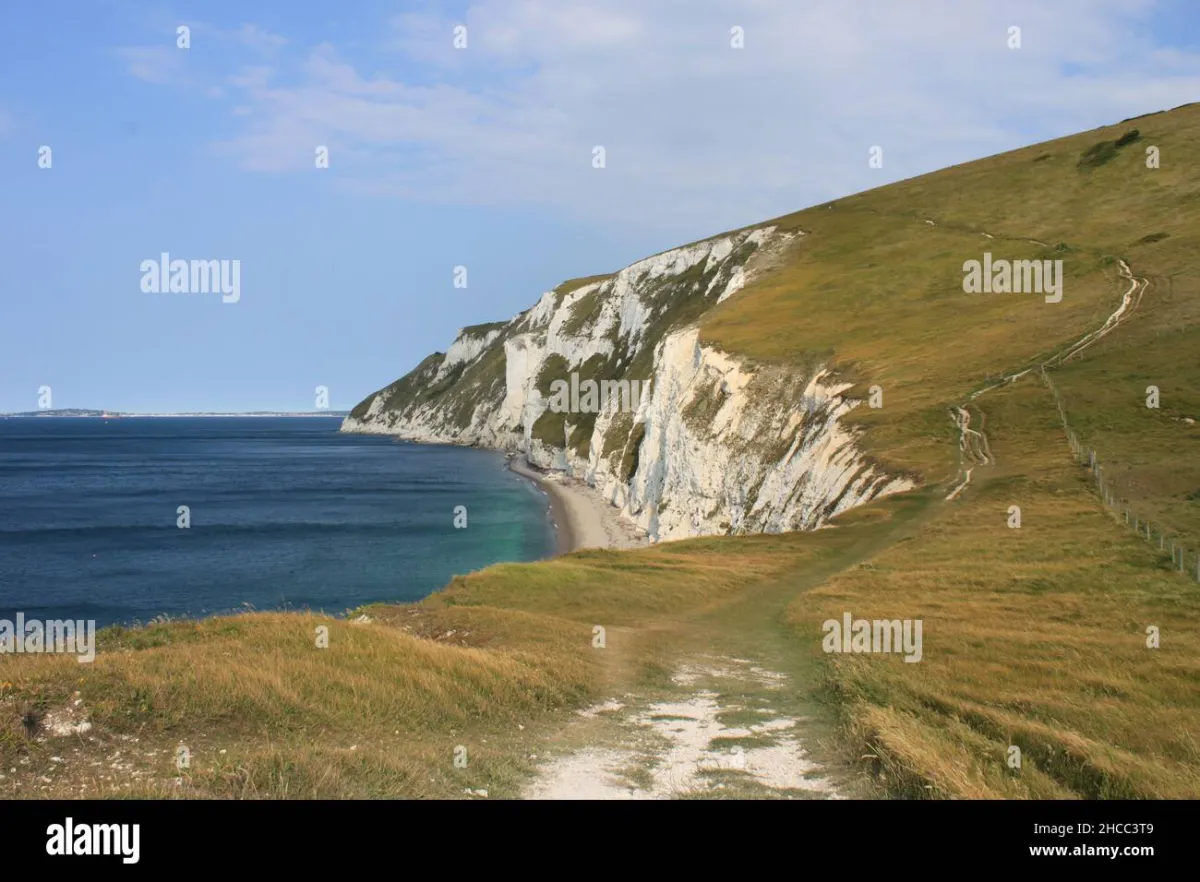 Photo: South West Coast Path, via c8.alamy.com
 Photo: Porthminster Beach, via www.cornwalls.co.uk
Welcome to 'blue social prescribing' – the medical revolution that's making waves from the Cornish coast to the Scottish Highlands, where the therapeutic power of Britain's stunning coastline is finally getting the clinical recognition it deserves.
The Science of Seaside Healing
The evidence supporting coastal therapy is becoming impossible to ignore. Recent research from the University of Exeter found that people living within 1km of the coast report better mental health and wellbeing than their inland counterparts. But it's the emerging science around 'blue spaces' – areas dominated by water – that's really got the medical community's attention.
"The ocean provides a unique combination of negative ions, rhythmic sounds, and vast visual perspectives that trigger measurable physiological responses," explains Dr. Mat White, an environmental psychologist at the European Centre for Environment and Human Health. "We're seeing reductions in cortisol, improvements in heart rate variability, and enhanced production of serotonin – all from something as simple as spending time by the sea."
The sound of waves alone has been shown to activate the parasympathetic nervous system, promoting the 'rest and digest' response that's crucial for healing and recovery. Meanwhile, the negative ions generated by crashing waves may boost oxygen flow to the brain, improving alertness and mental clarity.
Pioneers Making Waves
Dr. Cartwright's practice in St. Ives, Cornwall, was among the first to formally integrate coastal prescriptions into their treatment plans. "We started noticing that patients who lived near the beach consistently showed better outcomes for anxiety and depression," she recalls. "Rather than just observing this correlation, we decided to actively harness it."
The results have been remarkable. Patients prescribed regular beach time show a 40% greater improvement in anxiety scores compared to those receiving standard care alone. Depression markers improve by an average of 35%, whilst chronic pain sufferers report significantly better sleep quality and reduced inflammation.
"I was sceptical at first," admits Margaret Thompson, a 67-year-old patient who was prescribed daily coastal walks for chronic arthritis pain. "But after six weeks of morning strolls along Carbis Bay, I was sleeping through the night for the first time in years. My joints felt looser, my mood lifted, and I'd even lost half a stone without trying."
 Photo: Carbis Bay, via www.ferienhauscornwall.de
From Cornwall to Northumberland: A National Movement
The success in Cornwall has sparked interest across Britain's coastal communities. NHS Shetland now runs 'Blue Health' programmes, prescribing everything from beach walking to sea swimming for patients with mental health conditions. In Northumberland, the Blyth Beach Prescription Project connects patients with guided coastal activities, whilst Devon's 'Wave Project' uses surfing therapy for young people struggling with anxiety and depression.
Dr. Sarah Jenkins, leading the Pembrokeshire Coast Health Initiative in Wales, has seen transformative results. "We're treating patients who've been on antidepressants for years, and many are able to reduce their medication after participating in our coastal therapy programmes," she reports. "The combination of exercise, fresh air, natural light, and the meditative quality of ocean sounds creates a powerful therapeutic environment that pills simply can't replicate."
The Social Prescription Revolution
Blue social prescribing fits perfectly within the NHS's broader shift towards social prescribing – the practice of connecting patients with community activities and support rather than relying solely on medical interventions. Link workers across coastal regions are now trained to identify patients who might benefit from marine-based activities.
"Social prescribing recognises that health isn't just about medical treatment – it's about connection, purpose, and environment," explains Jane Morrison, a social prescribing coordinator in Brighton. "The coast provides all of these elements naturally. Patients often tell us that their prescribed beach time has become the highlight of their week."
The approach is proving particularly effective for older adults experiencing loneliness. Coastal walking groups, beach clean-up activities, and seaside photography clubs are providing social connection alongside the therapeutic benefits of blue space exposure.
Beyond Mental Health: Physical Healing by the Sea
Whilst mental health benefits grab headlines, coastal prescribing is showing promise for physical conditions too. Patients with respiratory issues benefit from the clean, salt-rich air, whilst those with skin conditions often see improvements from sea water exposure and increased vitamin D synthesis.
The gentle resistance of sand walking provides excellent low-impact exercise for people with joint problems, whilst the natural variation in coastal terrain helps improve balance and proprioception in older adults.
"We're seeing patients with chronic fatigue syndrome regain energy through gentle coastal activities," notes Dr. Cartwright. "There's something about the natural rhythm of the sea that seems to help reset circadian rhythms and improve sleep quality."
Making It Work: Practical Coastal Prescribing
Successful coastal prescribing requires more than just telling patients to 'go to the beach.' Effective programmes provide structure, safety guidance, and often group activities to ensure patients feel supported and motivated.
The Cornish model includes detailed prescription cards specifying optimal times (early morning for anxiety, sunset for depression), recommended activities (mindful walking for stress, gentle swimming for chronic pain), and duration (starting with 20 minutes, building to an hour).
Safety training covers tide awareness, weather considerations, and appropriate clothing. Many programmes also connect patients with local coastal groups, ensuring the social benefits of community participation alongside individual therapeutic time.
The Economic Argument
Beyond health outcomes, coastal prescribing makes financial sense. A typical 12-week coastal therapy programme costs the NHS around £150 per patient – less than a month's supply of many antidepressants. When factoring in reduced GP visits, lower medication costs, and decreased hospital admissions, the savings are substantial.
"We're not anti-medication," clarifies Dr. Jenkins. "But for many patients, coastal therapy provides benefits that pharmaceuticals can't match, often with better adherence and no side effects. It's preventative medicine at its finest."
Challenges and Solutions
Not every coastal prescription works for every patient. Weather dependency, mobility limitations, and transport issues can create barriers. However, innovative solutions are emerging: indoor 'blue rooms' featuring ocean sounds and coastal imagery for severe weather days, accessible coastal paths for wheelchair users, and community transport schemes connecting inland patients with seaside activities.
The Future is Blue
As evidence mounts and success stories multiply, coastal prescribing is set to become standard practice across Britain's seaside communities. The Royal College of GPs is developing formal guidelines, whilst medical schools are beginning to include blue space therapy in their curricula.
"We're sitting on a massive untapped health resource," reflects Dr. White. "Britain has some of the most beautiful and accessible coastline in the world. It's time we recognised it as the national health asset it truly is."
For patients like Margaret Thompson, the revolution can't come fast enough. "My GP didn't just give me a prescription," she says, watching the waves roll in at Carbis Bay. "She gave me back my life. And all it took was remembering to look up from my problems and out at the sea."