Slow Motion, Big Impact: The Walking Football Revolution Tackling Britain's Silent Male Mental Health Crisis
The Beautiful Game Gets a Beautiful Makeover
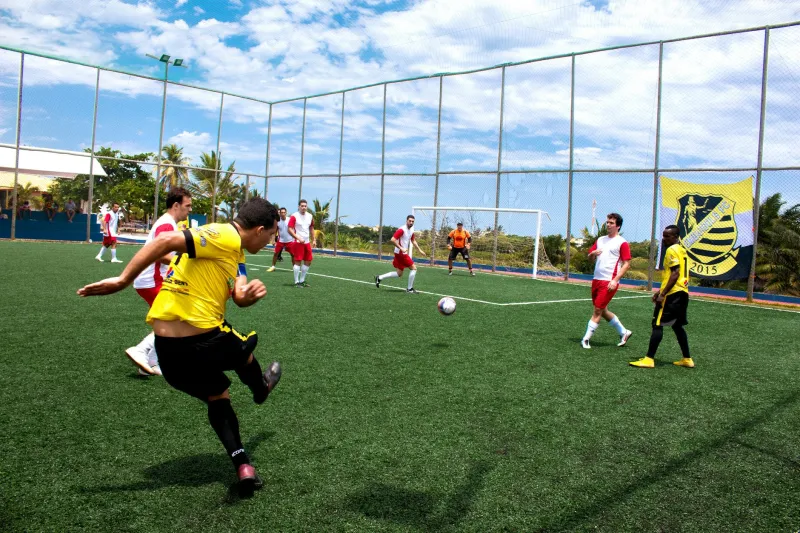
On a drizzly Tuesday evening in Stockport, something remarkable is happening on the artificial pitch behind the community centre. Twenty-three men aged 45 to 78 are engaged in what looks like football in slow motion — no running, no physical contact, no slide tackles. But don't let the gentle pace fool you: this is revolution disguised as recreation.
Walking football, the modified version of the beautiful game that's sweeping across Britain faster than you can say "offside," is achieving something that decades of male mental health campaigns have struggled with: getting blokes to open up, connect, and heal.
"I came here because my wife was worried I'd become a hermit after redundancy," admits 52-year-old Dave Harrison, adjusting his shin pads. "Eighteen months later, I've got mates, I'm sleeping better, and I actually look forward to Tuesdays and Thursdays. It's mental health support disguised as a kickabout."
Dave's story isn't unique. Across England, Scotland, and Wales, walking football leagues are reporting waiting lists, with participants describing transformations that sound more like therapy breakthroughs than sports club testimonials.
The Numbers Don't Lie
The statistics around male mental health in Britain make grim reading: men are three times more likely to die by suicide than women, yet significantly less likely to seek professional help. Traditional mental health services struggle with male engagement, with men representing just 36% of NHS psychological therapy referrals despite experiencing depression and anxiety at similar rates to women.
Enter walking football, and suddenly those numbers shift dramatically.
Dr. Peter Krustrup, whose research at the University of Southern Denmark has tracked walking football's health impacts, found that 89% of male participants reported improved mental wellbeing within six months. More significantly, 73% said they'd developed meaningful friendships through the sport — a crucial factor in combating the loneliness epidemic affecting middle-aged British men.
"We're seeing engagement rates that traditional mental health interventions can only dream of," explains Dr. Rebecca Shaw, who studies men's health at Manchester Metropolitan University. "Men who wouldn't admit to struggling are turning up twice a week, building support networks, and experiencing genuine community."
The Magic Formula: Sport + Social + Safe
What makes walking football so effective where other interventions fail? The answer lies in its unique combination of familiar culture, physical activity, and psychological safety.
"Football is our common language," explains Tony Higgins, who runs walking football sessions across Greater Manchester. "You get blokes who haven't kicked a ball in twenty years, but they still remember supporting United or City as kids. It gives them permission to be vulnerable in a way that feels masculine."
The walking element is crucial. By removing the physical demands and injury risks of traditional football, it creates space for men who might feel intimidated by standard sports clubs. "I've got players with heart conditions, arthritis, mental health issues — they're all on the same pitch, all contributing," notes Higgins.
But perhaps most importantly, the format naturally encourages the kind of side-by-side conversation that research shows men prefer for emotional disclosure.
"Men don't do face-to-face emotional conversations well," observes sports psychologist Dr. Martin Eubank. "But put them next to each other, give them a shared activity, and suddenly they're talking about divorce, depression, and redundancy while arguing about whether that was a handball."
Real Stories from Real Pitches
The transformation stories emerging from walking football leagues read like case studies in successful mental health intervention.
Take Graham Mitchell, a 59-year-old former engineer from Newcastle who joined South Shields Walking Football Club after his GP suggested it might help with depression following early retirement.
"First session, I barely spoke to anyone," he recalls. "By month three, I was organising the WhatsApp group. By month six, I was helping other new lads settle in. It gave me purpose again."
Graham's experience reflects a pattern seen across clubs nationwide: initial isolation giving way to connection, then to active community building. Many walking football groups now function as informal support networks, with players checking on absent teammates and organising social activities beyond football.
In Wales, the Rhondda Walking Football League has become so central to participants' wellbeing that local GP practices now refer patients directly to clubs. "We've got players who credit walking football with saving their marriages, their mental health, even their lives," says league coordinator Sarah Evans.
The Ripple Effect
The benefits extend far beyond individual participants. Families report improved relationships, with wives and partners noting increased confidence and social engagement in their husbands and fathers.
"My dad was becoming increasingly isolated after Mum died," shares Lisa Thompson, whose 67-year-old father joined a walking football club in Exeter. "Now he's got a social diary busier than mine. He's even started dating again — met someone whose husband plays in the same league."
The sport is also creating intergenerational connections often missing in modern British communities. Many clubs welcome players from their 40s to their 80s, with younger participants often seeking advice from older players who've navigated similar life challenges.
Beyond the Pitch: A Model for Male Engagement
Health professionals are taking notice of walking football's success in engaging hard-to-reach demographics. The format offers a blueprint for addressing male mental health that other sectors are beginning to adopt.
"We're seeing the principles applied to walking cricket, walking rugby, even walking netball for men," notes Dr. Shaw. "The key insight is that men often need a 'legitimate' reason to gather that isn't explicitly about emotional support."
Some NHS trusts are now piloting "football therapy" programmes, combining walking football sessions with brief mental health check-ins. Early results suggest significantly higher engagement rates than traditional therapy groups.
Finding Your Local League
With over 1,200 walking football groups now active across the UK, finding a local club is easier than ever. The FA maintains a searchable database of affiliated clubs, while many leisure centres and community organisations run beginner-friendly sessions.
Most clubs charge £3-5 per session and welcome complete beginners. "You don't need to be Messi," laughs Tony Higgins. "You just need to turn up and be willing to have a laugh while getting some gentle exercise."
For men struggling with isolation, depression, or life transitions, walking football offers something traditional mental health services often can't: a culturally resonant, non-threatening entry point into community and support.
The Final Whistle
As Britain grapples with a male mental health crisis that claims thousands of lives annually, walking football represents something rare: an intervention that actually works for its target demographic.
"We're not trying to turn men into something they're not," reflects Dr. Shaw. "We're meeting them where they are, using something they already understand and love. Sometimes the best therapy doesn't look like therapy at all."
On that drizzly Tuesday in Stockport, as the players head to the pub for their traditional post-match pint and chat, the revolution continues — one slow-motion goal at a time.