Five Kilometres, Zero Cost, Infinite Headspace: The Saturday Morning Ritual That's Quietly Saving British Lives
Five Kilometres, Zero Cost, Infinite Headspace: The Saturday Morning Ritual That's Quietly Saving British Lives
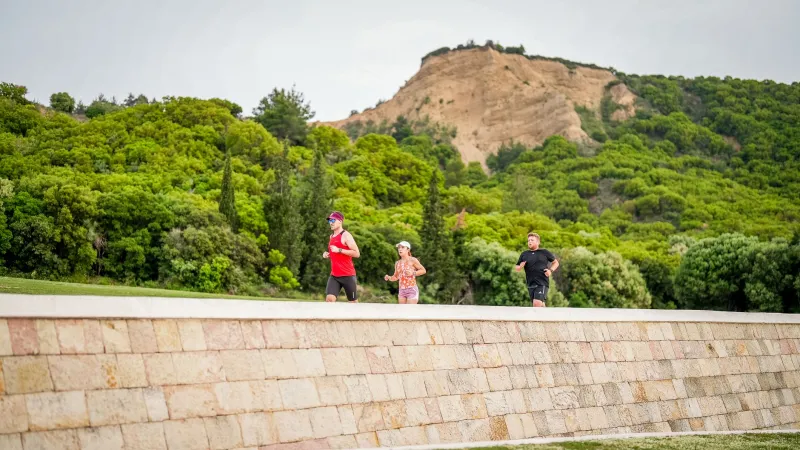
It's 9am on a Saturday. The air is cold, the ground is damp, and several hundred people in hi-vis bibs are shuffling nervously at a start line in a local park. Some are in racing vests. Some are in jeans. One woman near the back is walking a Labrador. Nobody is being timed in any way that actually matters. And within the hour, every single one of them will feel significantly better than they did when they woke up.
This is parkrun. And if you haven't yet clocked that it's become something far bigger than a free Saturday jog, you're about to.
From Bushy Park to Britain's Biggest Mental Health Movement
When Paul Sinton-Hewitt set up the very first parkrun in Bushy Park, South West London back in 2004, he had 13 runners and a stopwatch. Today, more than 2,000 events take place across the UK every single Saturday morning, drawing upwards of 350,000 participants weekly. That's not a fitness trend. That's a movement.
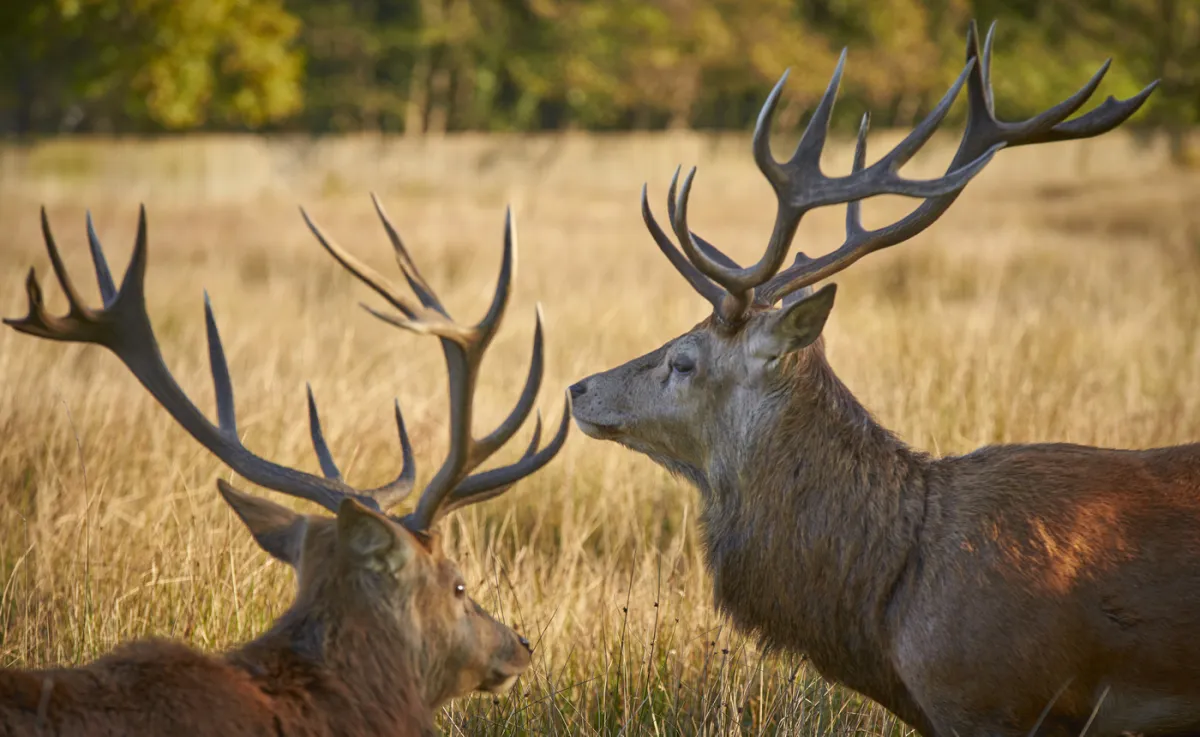 Photo: Bushy Park, via www.royalparks.org.uk
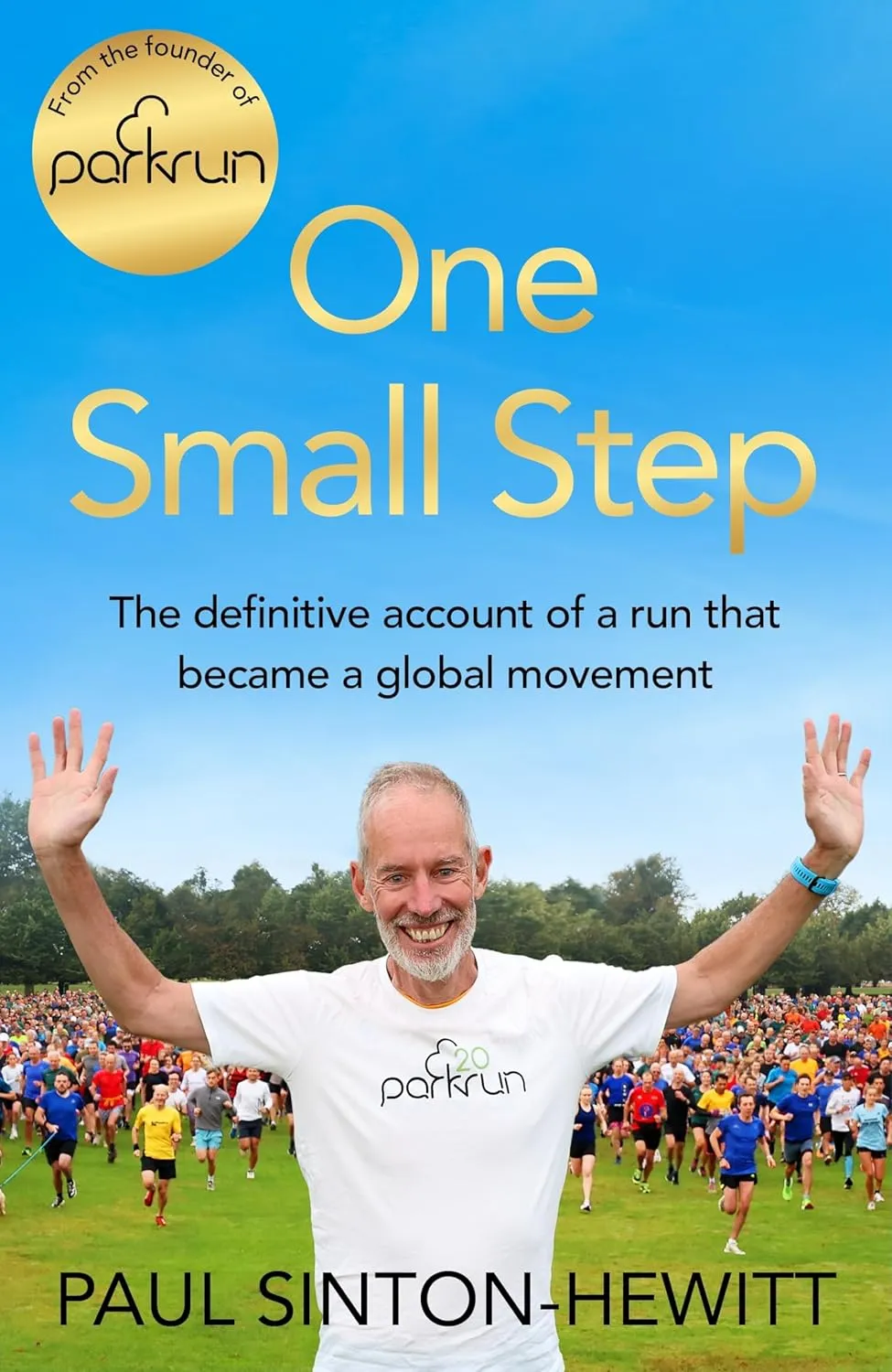 Photo: Paul Sinton-Hewitt, via m.media-amazon.com
And here's the bit that's really turning heads in NHS boardrooms: the mental health data is extraordinary. Research published in the International Journal of Environmental Research and Public Health found that regular parkrun participants reported significant reductions in symptoms of depression, anxiety, and loneliness. Not marginal improvements. Significant ones. The kind that, in a clinical drug trial, would have pharmaceutical companies popping champagne.
NHS England has taken notice. Pilot social prescribing schemes in areas including Greater Manchester, Bristol, and parts of East London are now formally directing patients to their local parkrun as part of structured mental health care plans. Link workers — those brilliant NHS connectors who bridge the gap between clinical medicine and everyday life — are handing out parkrun barcodes alongside leaflets about therapy waiting lists.
Why Running With Strangers Works So Brilliantly
So what's actually happening to your brain when you lumber around a 5k course on a drizzly Saturday morning in Sunderland? Quite a lot, as it turns out.
The exercise component alone delivers a well-documented neurochemical cocktail: endorphins, serotonin, dopamine, and endocannabinoids (yes, your brain genuinely produces its own cannabis-like compounds during sustained aerobic activity). Regular moderate exercise has been shown to be as effective as antidepressants for mild to moderate depression in multiple peer-reviewed studies. That's not alternative medicine. That's mainstream science.
But parkrun's particular genius lies in what it layers on top of the physical. Dr Josephine Wheelwright, a consultant psychiatrist working in Sheffield, describes it as "accidental group therapy with better scenery." The social element — running alongside people from every conceivable background, being cheered by volunteers, exchanging breathless small talk at the finish — activates neural pathways associated with belonging and safety that are chronically underactivated in people experiencing anxiety and depression.
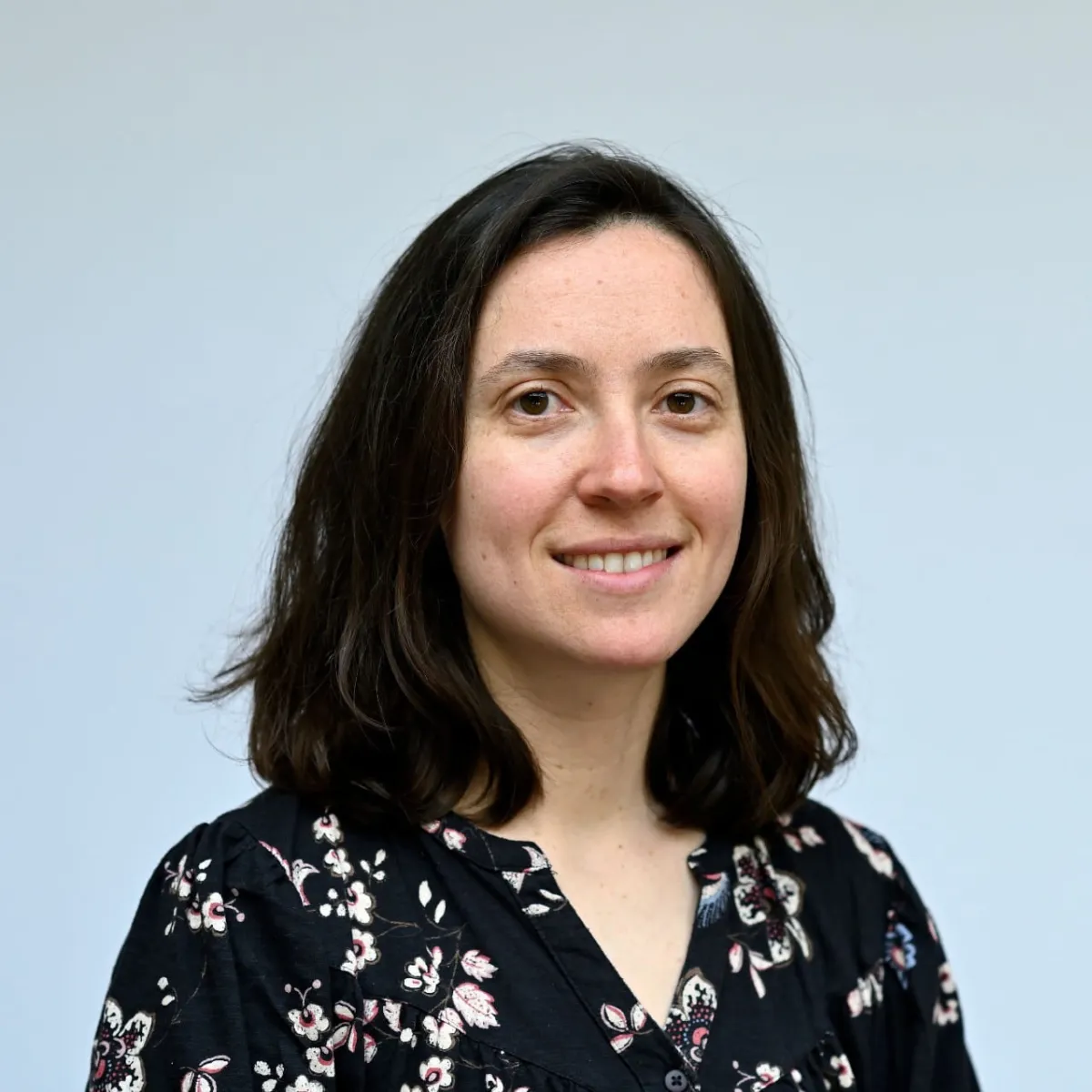 Photo: Dr Josephine Wheelwright, via hpruebs.nihr.ac.uk
"Isolation is one of the most powerful drivers of mental ill-health," Dr Wheelwright explains. "Parkrun disrupts isolation in the most low-pressure way imaginable. Nobody expects anything of you. You just show up. That accessibility is genuinely therapeutic."
Real People, Real Results
Ask around at any parkrun in Britain and you'll collect stories that would make a hardened GP well up.
Marcus, 44, from Newcastle, started attending his local parkrun after being signed off work with severe anxiety. "My therapist suggested it and I thought she was having a laugh," he says. "I hadn't run since school. I walked the whole first one. But the volunteers at the finish line cheered like I'd won the Olympics. I cried in my car afterwards. I've been back every week for two years."
In Glasgow, a local parkrun has partnered with a community mental health trust to create a dedicated 'first-timers' group specifically for people referred through mental health services — a gentle buffer for those who find the idea of joining 400 strangers overwhelming. Attendance has grown 60% in 18 months.
Sue, 61, from Exeter, credits parkrun with pulling her out of what she calls "the fog" of post-retirement depression. "I'd lost my structure, my colleagues, my purpose. Parkrun gave me all three back. I volunteer as a tail runner now. I'm the person who makes sure nobody gets left behind. Turns out that's exactly what I needed."
The Prescription Pad Revolution
The idea of a GP writing 'parkrun' on a prescription pad sounds like a headline from a satirical magazine. Except it's happening. Formally. Right now.
NHS social prescribing schemes are increasingly integrating parkrun referrals into care pathways for patients with mild to moderate depression, social anxiety, type 2 diabetes, and cardiovascular disease — conditions where lifestyle intervention has strong evidence but where the 'how' has always been the sticking point. Telling someone to "exercise more" is not a prescription. Handing them a barcode and the address of their nearest event, with a volunteer buddy lined up to meet them — that's something actionable.
Parkrun UK has formalised this with its 'parkrun practice' initiative, which has already seen more than 700 GP surgeries across Britain sign up as official partners. The scheme encourages practices to actively promote parkrun as a health intervention and to track patient engagement as part of their care records.
The cost to the NHS? Essentially nothing. The cost to participants? Absolutely nothing. In an era of crippling health service budgets, that equation is causing genuine excitement.
Mud, Mates, and Medicine
There's something quietly radical about parkrun that goes beyond the health statistics. In a country where mental health services are stretched to breaking point, where therapy waiting lists stretch to 18 months in some areas, and where loneliness has been named a public health crisis, it represents something the NHS cannot manufacture: genuine, organic, human community.
It doesn't care if you're fast or slow. It doesn't care if you walk the whole thing. It doesn't ask for a subscription, a referral, or a fitness level. It just asks you to show up on a Saturday morning and move through a park with other people who've done the same.
The science says that's enough to change lives. The people turning up every week already knew that.
Your nearest parkrun is almost certainly less than three miles away. Your barcode is free to register for at parkrun.org.uk. And next Saturday morning, there will be a volunteer at a finish line somewhere in Britain, ready to cheer for you like you've just broken a world record.
That might be exactly the medicine you didn't know you needed.