Jungle Office: The Great British Workplace Plant Takeover That's Quietly Fixing Our Frazzled Brains
Jungle Office: The Great British Workplace Plant Takeover That's Quietly Fixing Our Frazzled Brains
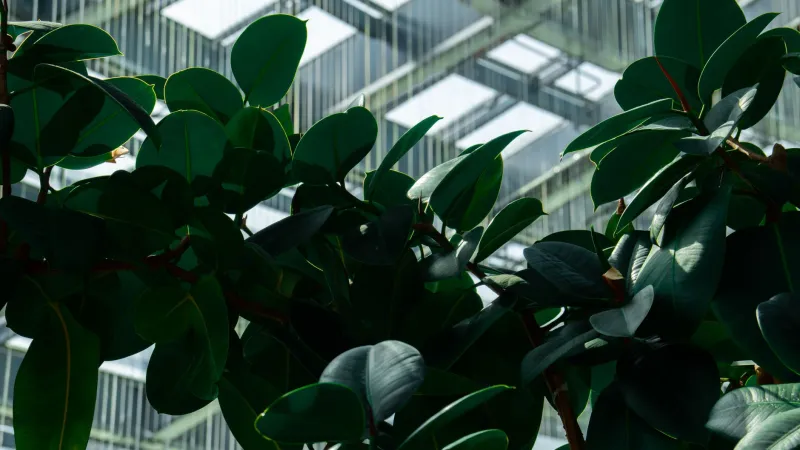
There's a fern on the filing cabinet. A trailing pothos is making a determined bid for the ceiling tiles. Someone from accounts has brought in what can only be described as a small tree, and it's now occupying what used to be the motivational poster corner — the one with the eagle and the word 'PERSEVERANCE' in bold capitals that nobody has looked at since 2019.
Britain's offices are going green. Not in the recycling-bin-by-the-printer way. Properly, enthusiastically, unapologetically green. And while it might look like an aesthetic trend driven by too many hours on Instagram, the research behind biophilic workplace design is quietly compelling stuff.
What 'Biophilic' Actually Means (And Why It Matters)
Biophilic design is the practice of incorporating natural elements — plants, natural light, water features, organic materials — into built environments. The underlying theory is straightforward: human beings evolved in natural settings, and our nervous systems still respond powerfully to natural cues, even when we're sitting under strip lighting in a business park off the M25.
Research from the University of Exeter found that employees working in offices enriched with plants reported a 15% increase in wellbeing, a 15% boost in productivity, and a 6% improvement in air quality perception. A separate study from Cardiff University found that introducing plants to previously bare office spaces improved concentration and workplace satisfaction significantly.
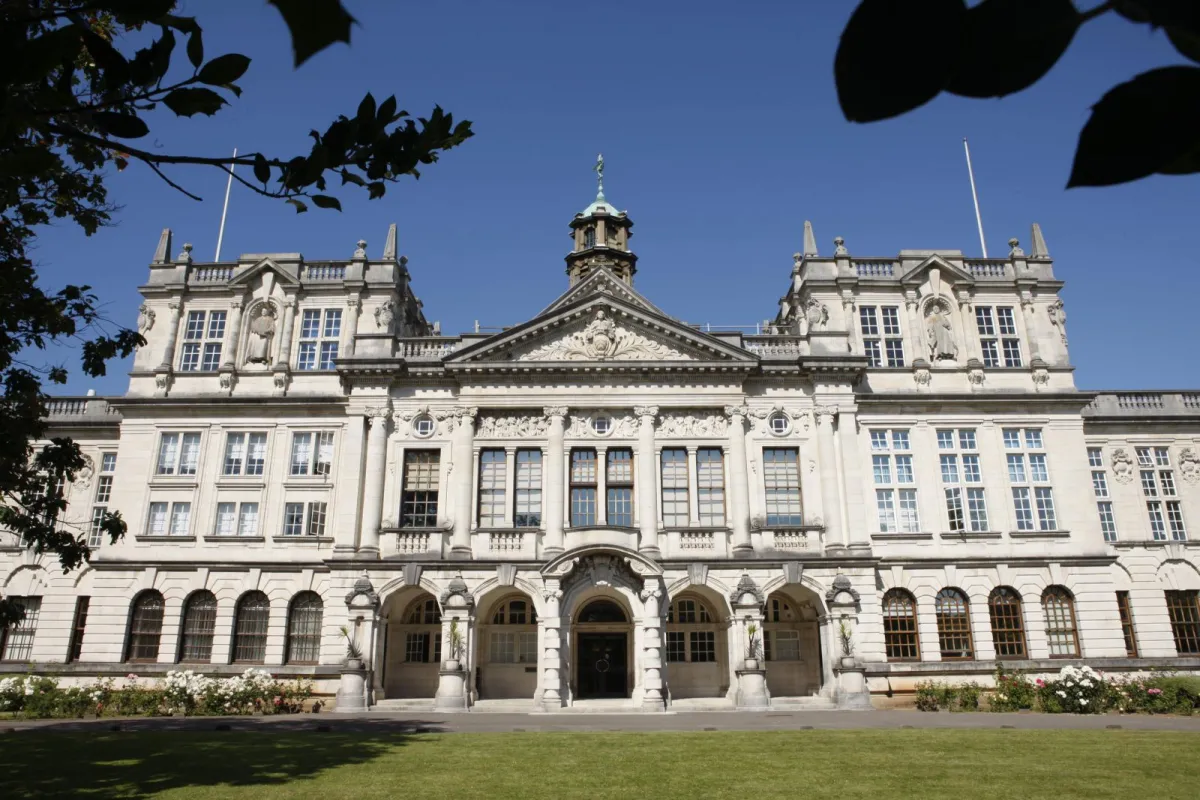 Photo: Cardiff University, via www.studentworldonline.com
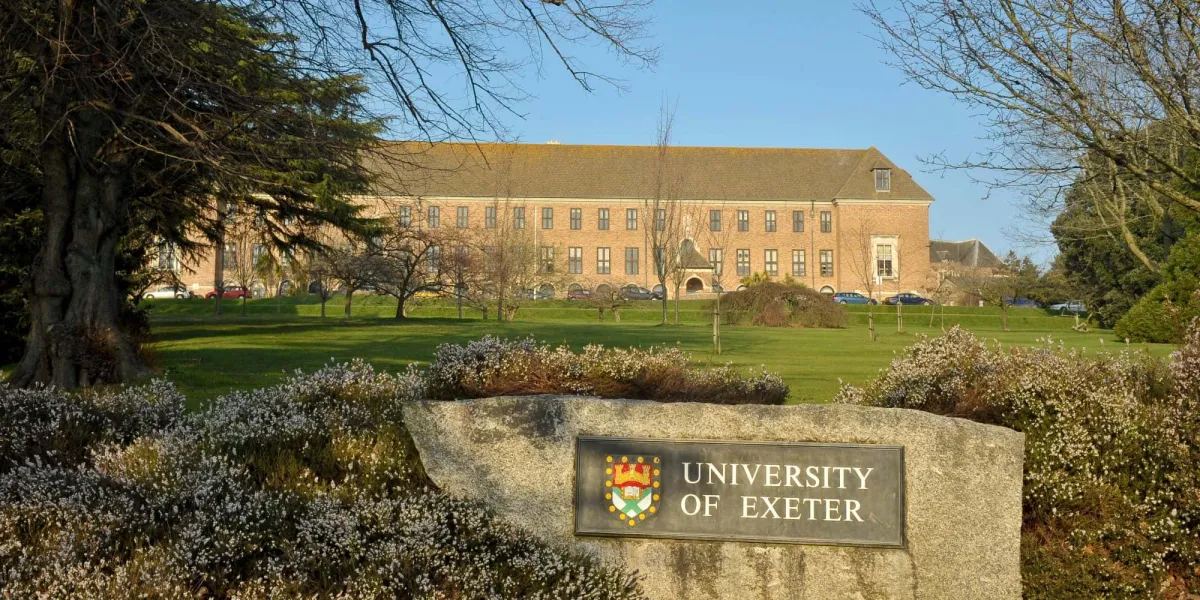 Photo: University of Exeter, via devontourist.co.uk
Dr Helen Barker, a wellbeing consultant who works with NHS trusts and private employers across the Midlands, describes the effect as "surprisingly robust for something so simple. Plants aren't a magic fix, but they're a genuinely evidence-based way to reduce ambient stress in a workspace. And the cost-benefit ratio is extraordinary compared to most workplace wellbeing interventions."
The Cortisol Connection
Here's the bit that should really get HR departments reaching for their watering cans. Multiple studies — including research published in the Journal of Physiological Anthropology — have found that simply being near real plants reduces cortisol levels. Cortisol, for those who haven't had the misfortune of meeting it professionally, is the body's primary stress hormone. Chronically elevated cortisol is associated with anxiety, poor sleep, impaired immune function, and a whole cascade of health problems that cost the NHS — and British employers — enormous sums annually.
The act of looking at plants, even briefly, appears to activate the parasympathetic nervous system — the 'rest and digest' mode that counteracts the fight-or-flight stress response. In practical terms: glancing at your desk succulent during a difficult Teams call might actually be doing something useful.
Real Workplaces, Real Results
This isn't just laboratory data. British companies are reporting tangible shifts after greening their workspaces.
A digital marketing agency in Bristol introduced a biophilic redesign two years ago — replacing partition walls with living plant dividers, adding hanging installations, and placing individual plants at every workstation. Their internal wellbeing survey showed a marked reduction in reported stress levels and a noticeable drop in sick days taken. "We were sceptical," admits their operations director. "It felt a bit 'wellness washing'. But the data has been consistent, and people genuinely seem calmer. We've had staff ask if they can take plants home over Christmas."
An NHS administrative centre in Leeds quietly trialled a similar approach after a particularly difficult post-pandemic period, adding plants to common areas and meeting rooms. Staff feedback highlighted improved mood during breaks and a greater sense that the organisation cared about their environment. Small things, perhaps. But in workplaces still recovering from years of strain, small things matter.
The Air Quality Angle
NASA's famous Clean Air Study identified a range of common houseplants capable of filtering volatile organic compounds (VOCs) — chemicals emitted by synthetic carpets, printers, cleaning products, and office furniture. While subsequent research has tempered some of the more dramatic claims about air purification (you'd need an impractical number of plants to meaningfully filter a large office), there's solid evidence that plants do contribute to improved humidity levels and reduced airborne dust.
In Britain's centrally heated, often poorly ventilated offices — where the heating goes on in October and doesn't come off until May — that's genuinely useful. Low humidity environments are associated with dry eyes, irritated airways, and increased susceptibility to respiratory infections. A few well-placed plants won't replace a proper ventilation system, but they're a useful, attractive supplement.
The Best Plants for Perpetually Grey British Conditions
Not all plants are created equal when it comes to surviving British office life. Here's what the experts actually recommend:
Peace Lily (Spathiphyllum) — Thrives in low light, tolerates irregular watering, and is one of the most effective air-filtering plants on NASA's list. Perfect for the windowless meeting room that smells faintly of old sandwiches.
Snake Plant (Sansevieria / Dracaena trifasciata) — Almost aggressively difficult to kill. Tolerates low light, infrequent watering, and the kind of neglect that would finish off most living things. Releases oxygen at night, making it excellent for offices that double as late-working environments.
Pothos (Epipremnum aureum) — The trailing green vine that's colonising offices everywhere. Extremely hardy, grows rapidly, looks dramatic cascading from shelves, and requires minimal attention.
Spider Plant (Chlorophytum comosum) — A British office classic for good reason. Virtually indestructible, produces cheerful offshoots, and has a well-documented ability to absorb formaldehyde and carbon monoxide.
ZZ Plant (Zamioculcas zamiifolia) — Ideal for the forgetful or frequently travelling worker. Can survive weeks without water, thrives in low light, and has a satisfying, architectural look.
The Bigger Picture
There's something rather lovely about the fact that one of the most effective workplace wellbeing interventions available is also one of the oldest, cheapest, and most accessible. No app subscription. No corporate wellness programme with a twelve-week onboarding process. Just a plant, some compost, and a spot near a window.
As Britain's workplaces continue to navigate the post-pandemic renegotiation of what offices are actually for, biophilic design offers a quiet but persuasive argument: that spaces designed to support human biology — rather than just human productivity — tend to produce both more motivated people and better results.
So if someone in your office has gone slightly overboard with the monsteras, maybe don't roll your eyes just yet. They might be onto something.