Your GP's New Magic Trick: Swapping Pills for Pottery Classes (And It's Working Brilliantly)
When Your Doctor Prescribes a Ukulele Lesson Instead of Antidepressants
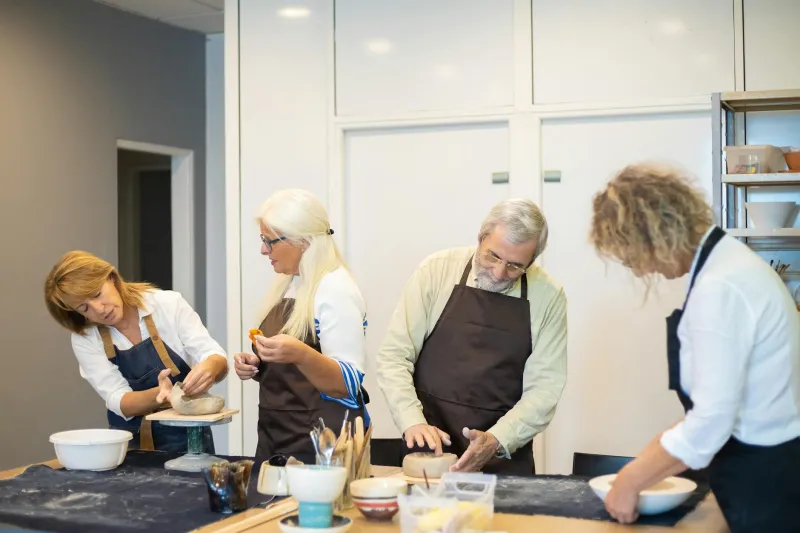
Picture this: you're sitting in your GP's surgery, expecting to walk out with yet another prescription slip. Instead, your doctor hands you the contact details for a local pottery class and suggests you give it a whirl for eight weeks. Sound bonkers? Welcome to the wonderful world of social prescribing — the NHS revolution that's quietly transforming British healthcare from the ground up.
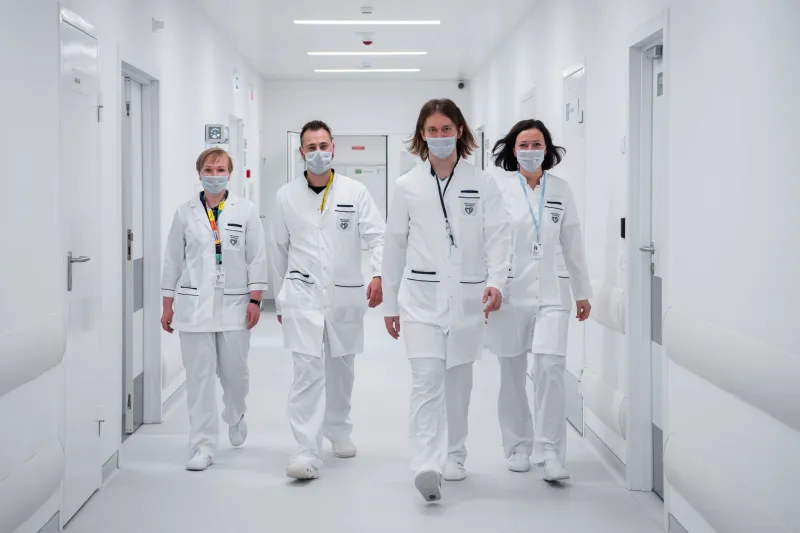
Across the UK, over 1,400 social prescribing link workers are now embedded in GP surgeries, acting as community connectors rather than pill pushers. These healthcare heroes are matching patients with everything from allotment societies to amateur dramatics groups, and the results are nothing short of spectacular.
The Real-Life Success Stories That'll Make You Believe
Take Margaret from Wolverhampton, who'd been battling chronic loneliness since her husband passed. After months of antidepressants with little improvement, her GP referred her to a link worker. Within weeks, Margaret was attending a weekly choir group and had discovered a passion for watercolour painting. Six months later? She's off her medication entirely and has made three new best mates.
Or consider James, a 34-year-old mechanic from Cardiff who developed crippling anxiety after a workplace accident. Traditional therapy wasn't clicking, but when his link worker suggested a men's shed woodworking group, something magical happened. "I thought it was mental at first," James admits, "but working with my hands again, being around other blokes who got it — it proper sorted my head out."
These aren't isolated incidents. NHS England data shows that 70% of people referred to social prescribing report improved wellbeing, whilst 60% feel less isolated. Even more impressive? Hospital admissions among frequent users drop by 28% after social prescribing interventions.
How It Actually Works (Spoiler: It's Brilliantly Simple)
The process couldn't be more straightforward. When a patient presents with issues like mild depression, anxiety, loneliness, or that general feeling of being a bit rubbish, GPs can now refer them to a social prescribing link worker instead of reaching straight for the prescription pad.
These link workers — who come from diverse backgrounds including social work, community development, and peer support — spend proper time with patients. We're talking 45-minute appointments, not the usual seven-minute GP slot. They dig deep into what makes someone tick, what barriers they're facing, and what might genuinely light them up.
The link worker then plays matchmaker between patient and community resource. Love animals? There's probably a local pet therapy group. Miss having a sense of purpose? Community volunteering might be your jam. Fancy getting creative? Art therapy groups are popping up everywhere from Cornwall to the Highlands.
The Money Talk (Because Someone Has to Ask)
Here's where social prescribing gets properly exciting from a policy perspective. The average cost per patient? Around £300 for a full programme. Compare that to long-term medication costs, repeated GP visits, and potential hospital admissions, and the maths becomes rather compelling.
Dr Sarah Henderson, a GP in Manchester who's been championing social prescribing for three years, puts it perfectly: "We were spending thousands keeping people on repeat prescriptions that weren't really fixing the root problem. Now we're spending hundreds connecting them to their community, and they're genuinely thriving."
The ripple effects extend beyond individual patients too. Community groups report increased membership and vitality, whilst local economies benefit from increased engagement with libraries, community centres, and voluntary organisations.
The Science Behind Why Knitting Circles Beat Benzos
There's proper research backing this up, not just feel-good anecdotes. Social prescribing works because it addresses the fundamental drivers of poor mental health: isolation, lack of purpose, and disconnection from community.
When someone joins a book club or starts volunteering at a local food bank, they're not just filling time — they're rebuilding their social networks, developing new skills, and rediscovering meaning. The resulting boost to self-esteem and sense of belonging creates a positive feedback loop that medication alone simply can't replicate.
Research from the University of Westminster found that people engaged in community arts programmes showed measurable improvements in mental health markers within just eight weeks. Meanwhile, studies of nature-based social prescribing show reduced cortisol levels and improved immune function.
What's Next for Britain's Community Medicine Revolution
The momentum is building rapidly. NHS England has committed to having 900,000 social prescribing referrals by 2024, whilst the government has pledged £5 million additional funding for link worker training.
Innovative programmes are emerging everywhere. Some areas are experimenting with "green prescribing" focused on outdoor activities, whilst others are developing cultural prescribing partnerships with local museums and theatres. There's even talk of "digital social prescribing" connecting people to online communities — though somehow a Zoom choir doesn't quite have the same magic as belting out show tunes in person.
The beauty of social prescribing lies in its fundamental recognition that health isn't just about what happens in clinical settings. Sometimes the most powerful medicine comes from human connection, creative expression, and feeling part of something bigger than yourself.
So next time your GP suggests joining a rambling group instead of increasing your antidepressant dose, don't look at them like they've lost the plot. They might just be offering you the most revolutionary treatment the NHS has seen in decades — one that costs nothing but could change everything.