Frozen Wheels, Fired Up Hearts: The Winter Cycling Revolution That's Got Britain Pedaling Through Polar Vortexes
The Unexpected Joy of Jack Frost's Commute
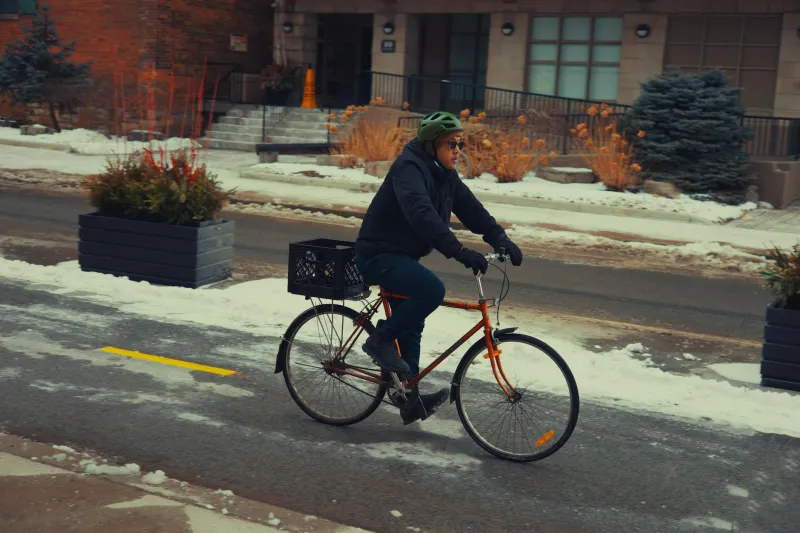
While most of us are cranking up the heating and dreading the morning trudge to work, a growing tribe of British cyclists is doing something that sounds absolutely barmy: they're deliberately choosing to cycle through sleet, snow, and sub-zero temperatures. And here's the kicker — they're absolutely loving it.
From the cobbled streets of York to the tech corridors of Cambridge, winter warriors are reporting that their coldest commutes are delivering their biggest mental health wins. Sarah Mitchell, a marketing manager from Bristol, puts it perfectly: "I used to dread January mornings. Now I wake up excited to see what Mother Nature's throwing at me. It's like a daily adventure that happens to get me to work."
The Science Behind the Shiver
Before you write this off as masochistic madness, the research is genuinely compelling. Dr. James Thornton, a sports psychologist at Manchester Metropolitan University, has been tracking the phenomenon: "Cold-air cycling triggers a cascade of neurochemical responses that we're only just beginning to understand. The combination of cardiovascular exercise, cold exposure, and natural light creates what we call a 'triple threat' against seasonal depression."
 Photo: Manchester Metropolitan University, via 3.bp.blogspot.com
The magic happens on multiple levels. First, there's the immediate endorphin rush from exercise — but cold weather amplifies this effect. When your body works to maintain core temperature whilst cycling, it releases additional noradrenaline, a neurotransmitter that acts like nature's own antidepressant.
Then there's the exposure therapy aspect. "Every time you choose to cycle in challenging conditions, you're essentially proving to yourself that you're tougher than you thought," explains Dr. Thornton. "This builds genuine resilience that transfers to other areas of life."
The Brotherhood (and Sisterhood) of the Bike
What's particularly fascinating is how winter cycling has spawned its own subculture. WhatsApp groups with names like "Frostbite Fighters" and "Ice Breakers" have popped up across British cities, sharing everything from weather warnings to thermos flask recommendations.
Mark Chen, who organises the "Polar Pedalers" group in Leeds, explains the appeal: "There's something uniquely British about bonding over shared suffering. When you're all battling the same headwind on the A65, social barriers just disappear. I've made some of my closest friendships in bike lanes during blizzards."
The community aspect extends beyond cycling itself. Many groups organise post-ride breakfast meetups, turning the morning commute into a social event that sets a positive tone for the entire day.
Gearing Up Without Breaking the Bank
Contrary to what the cycling industry might have you believe, you don't need to remortgage for winter cycling success. The key is layering smartly rather than buying expensively.
Start with what cyclists call the "base layer principle" — thin, moisture-wicking materials closest to your skin, followed by insulating layers, topped with a windproof outer shell. Old running tights under normal trousers work perfectly fine, and a decent pair of waterproof gloves from any outdoor shop will serve you better than £200 cycling-specific mittens.
For bikes, the biggest game-changer isn't expensive winter tyres — it's simply checking your tyre pressure more frequently. Cold air contracts, meaning you'll need to pump up more often to maintain grip and comfort.
The Mental Health Revolution on Two Wheels
Perhaps most remarkably, NHS mental health services are beginning to take notice. Dr. Rachel Winters, a GP in Nottingham who's been informally "prescribing" cycling routes to patients with mild depression, has observed significant improvements: "We're seeing people who've struggled with winter blues for years suddenly reporting energy levels and mood stability they haven't experienced in decades."
The key seems to be the combination of achievement, routine, and what psychologists call "environmental mastery" — the confidence that comes from successfully navigating challenging conditions.
Making the Leap
If you're tempted to join the winter cycling revolution, start small. Pick one day a week when the weather looks merely unpleasant rather than apocalyptic. Give yourself extra time so you're not stressed about being late, and always have a backup plan (like keeping bus fare in your pocket).
Most importantly, remember that every seasoned winter cyclist started exactly where you are now — probably staring out the window thinking "there's no way I'm cycling in that." The difference is they tried it once, discovered it wasn't as awful as expected, and found themselves oddly eager to do it again.
As Sarah from Bristol puts it: "I used to think winter cycling was for hardcore athletes or slightly unhinged people. Turns out, it's actually for anyone who wants to feel properly alive on a Tuesday morning in February."
So next time you're debating whether to brave the elements on two wheels, remember: somewhere out there, thousands of your fellow Brits are already pedaling through the freeze, grinning like maniacs, and wondering why they didn't start sooner.